WAN 2.5 Suitable for Generating Photorealistic Portrait Style Content?
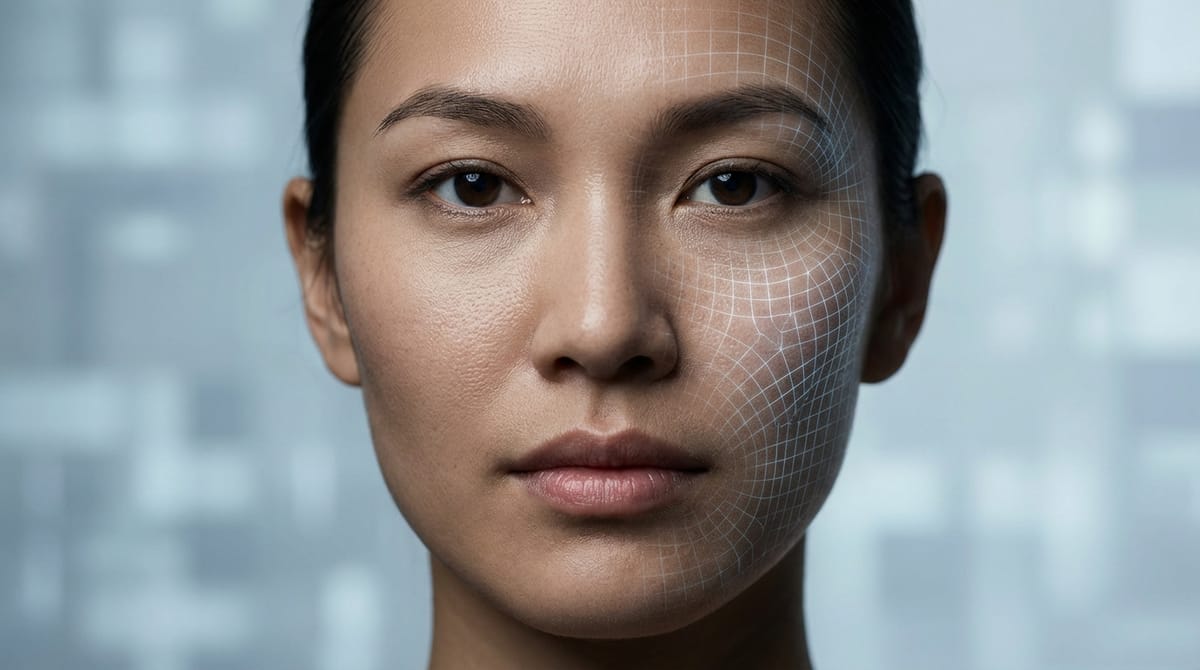
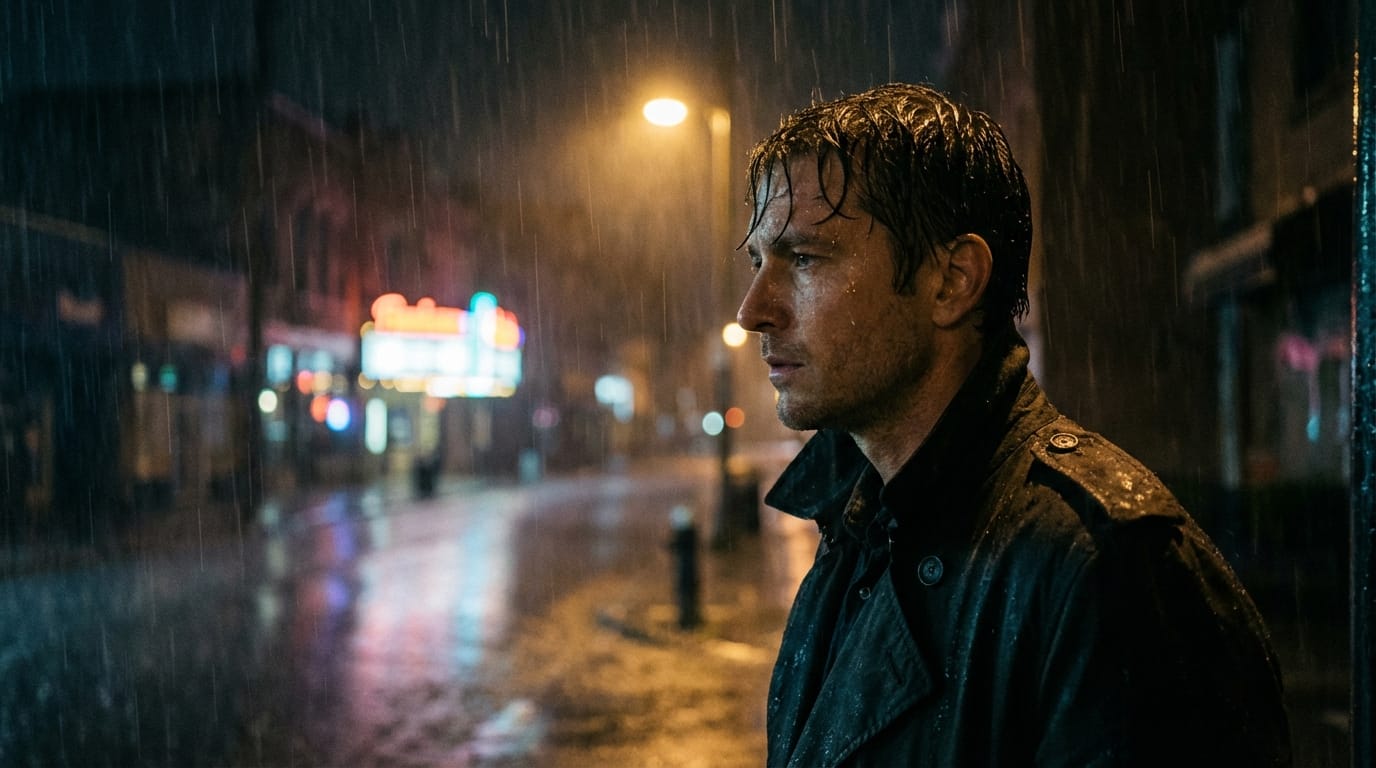
Photorealistic Portrait style is defined by its uncompromising attention to detail—capturing skin texture, realistic lighting (such as Rembrandt or butterfly lighting), and authentic human micro-expressions. For creators looking to achieve this high-fidelity look in motion, the question is whether the current tools can bridge the gap between static photography and video. WAN 2.5, available on the Hotgen.AI platform, has emerged as a strong contender in this space.
As a transition flagship model released in Autumn 2025, WAN 2.5 offers specific capabilities that align well with portraiture, notably its character consistency and lip-syncing features. While it is a video generation model, its ability to handle multi-reference inputs makes it particularly effective for transforming static photorealistic images into consistent, lifelike video portraits.
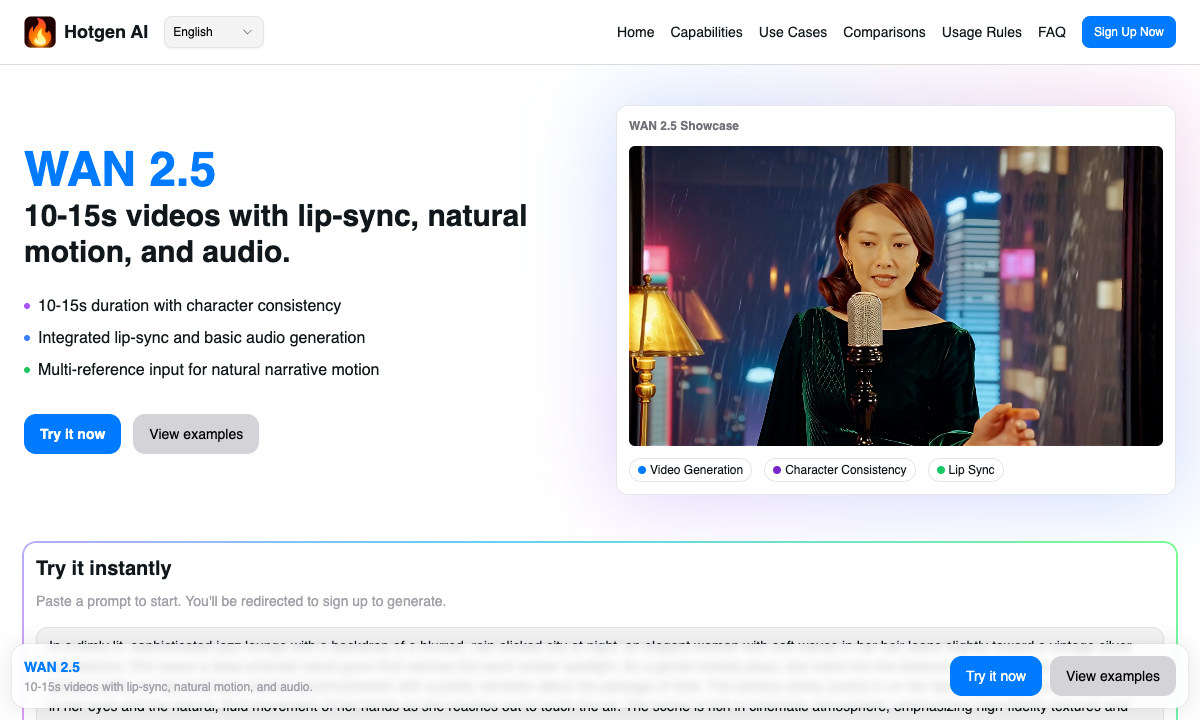
Typical Visual and Content Features of Photorealistic Portrait Style
To successfully generate this style, one must understand the visual language that defines it. It is not merely about "high resolution"; it is about the physics of light and the biology of the subject.
- Texture and Imperfection: The hallmark of photorealism is the presence of skin pores, vellus hair, and slight asymmetries. Smooth, plastic-looking skin immediately breaks the illusion.
- Cinematic Lighting and Depth: This style often utilizes shallow depth of field (bokeh) to isolate the subject, mimicking 85mm or 50mm portrait lenses. Lighting setups are deliberate, creating volume and separation from the background.
- Micro-Expressions: In a video context, a "portrait" is not static. It involves subtle eye movements, breathing, and natural blinking patterns that convey a living presence rather than a robotic loop.
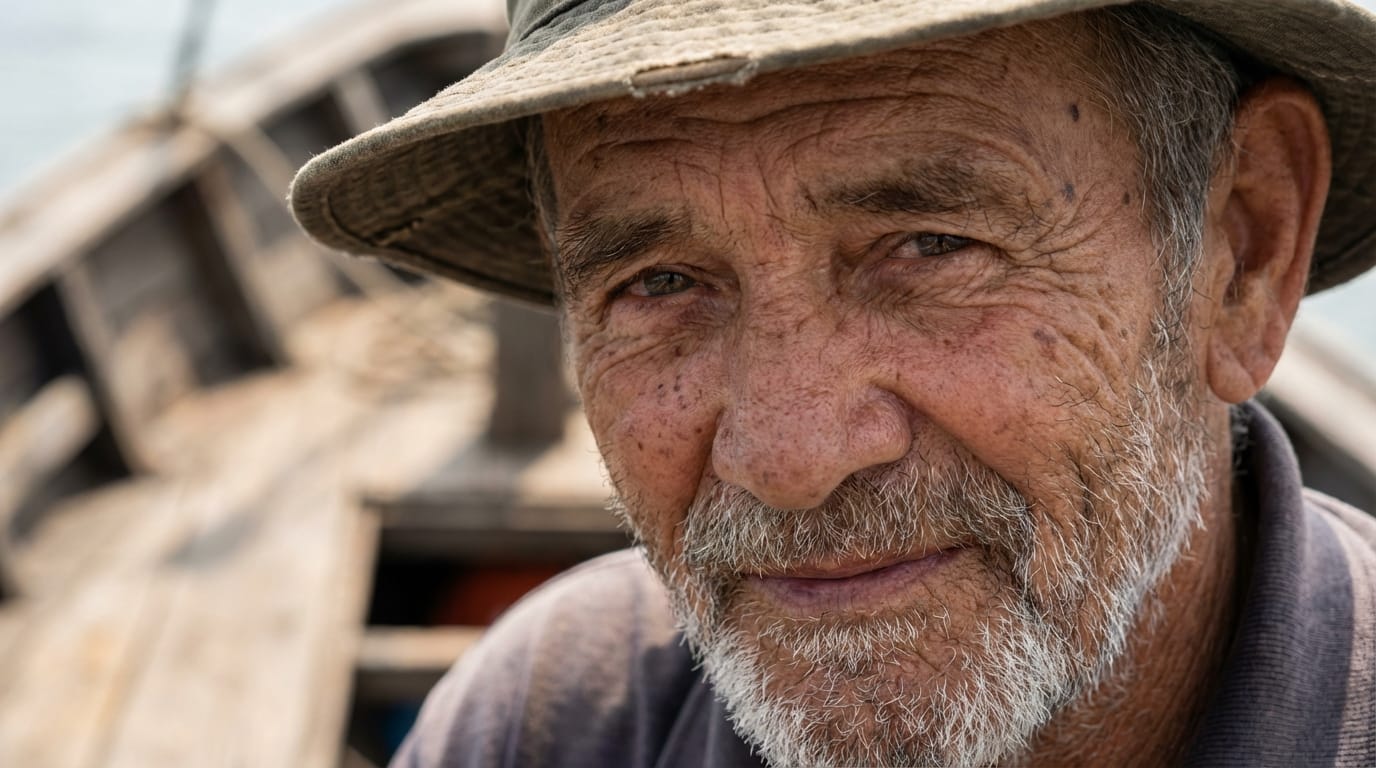
Performance Analysis of WAN 2.5 on Photorealistic Portrait Style
Analyzing WAN 2.5 through the lens of photorealism reveals distinct strengths and specific limitations. Its architecture, designed to support 10-15 second generations, provides enough runway to establish a convincing character study.
- Character Consistency: This is the model's strongest asset for portraits. WAN 2.5 maintains facial identity remarkably well throughout the clip duration. Unlike earlier models where faces might morph or "melt" during movement, WAN 2.5 keeps the skeletal structure and features stable.
- Lip-Sync and Dialogue: For creators aiming to make "talking head" videos, WAN 2.5 offers foundational lip-sync capabilities. While complex, multi-character dialogue is better suited for later versions (like 2.6), single-subject portraits achieve a high degree of synchronization suitable for social media or virtual avatars.
- Motion Quality: The model supports multi-reference inputs (image + text), which allows for high fidelity when animating a reference image. However, camera movement can occasionally be unstable. For portraits, it is often best to keep camera motion subtle (e.g., a slow push-in) to avoid breaking the realism.
Typical Scenarios for Using WAN 2.5 to Generate Photorealistic Portrait Style Content
Given its technical profile, WAN 2.5 is particularly effective for specific commercial and creative applications where realism is paramount.
- Virtual Influencers and Avatars: Creating consistent video content for AI-generated personalities on platforms like Instagram or TikTok.
- Documentary Re-enactments: Bringing historical figures to life by animating static archival photographs into moving portraits.
- Digital Casting and Concept Art: Filmmakers can generate "living headshots" to visualize characters for casting calls or pitch decks without hiring actors.
- Fashion and Beauty Commercials: showcasing makeup or accessories where the focus is entirely on the face and lighting, utilizing the high-texture capabilities of the model.
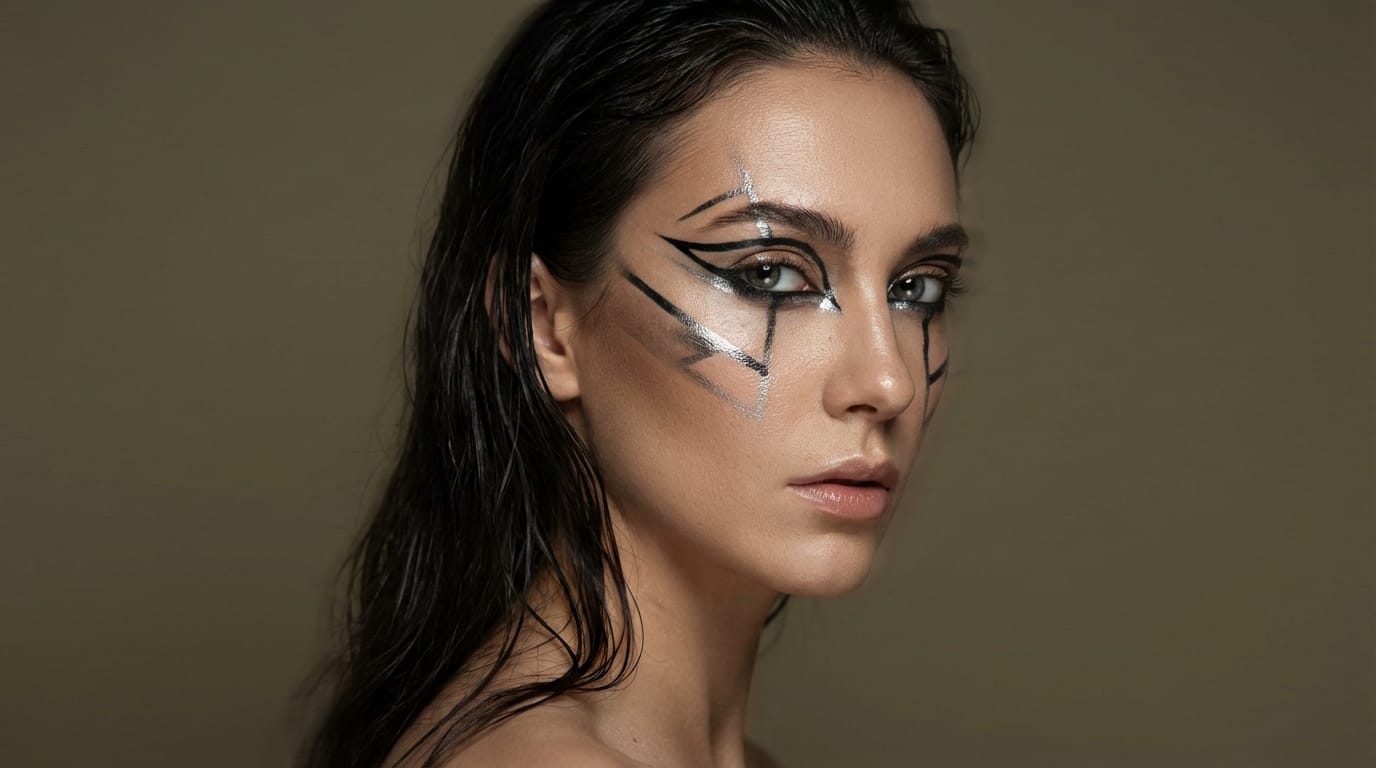
Prompt Writing Points for Photorealistic Portrait Style (Based on WAN 2.5)
When prompting WAN 2.5 for this style, precision regarding camera gear and lighting is more effective than abstract emotional adjectives.
- Define the Lens: Explicitly state camera parameters. Use terms like
85mm lens,f/1.8 aperture, ormacro photographyto force the model into a photorealistic rendering mode. - Lighting is Key: Specify the light source. Keywords like
natural window light,studio softbox,rembrandt lighting, orvolumetric lightinghelp define the facial structure. - Stabilize the Motion: Since WAN 2.5 can have unstable camera cuts, use prompts that dictate smooth, minimal movement. Terms like
slow motion,subtle head turn, orsteady camwork best for portraits.
Example Prompt for WAN 2.5:
Cinematic close-up portrait of a young woman with freckles, looking directly into the lens, golden hour lighting, 85mm lens, f/1.8, extremely detailed skin texture, subtle wind blowing hair, natural blinking, 8k resolution, raw style.
Common Ways to Generate Photorealistic Portrait Style Using WAN 2.5
Creators on Hotgen.AI typically approach this workflow in two ways, depending on whether they are starting from scratch or an existing asset.
1. Text-to-Video Generation
For creating a character from pure imagination, users can describe the visual traits directly. This method relies heavily on the prompt to establish realism.
- Create here: https://hotgen.ai/create/text2video/wan-video-2.5
2. Image-to-Video (Recommended for Portraits)
For the highest quality Photorealistic Portrait results, the optimal workflow is to generate a perfect static image first (using a dedicated image model) and then use WAN 2.5 to animate it. This leverages the model's multi-reference input capability to ensure the face looks exactly as intended while adding natural movement.
- Create here: https://hotgen.ai/create/image2video/wan-video-2.5
Which Creators Are Suitable for Using WAN 2.5 for Photorealistic Portrait Style Creation
WAN 2.5 is not a one-size-fits-all tool, but it fits distinct user profiles:
- Social Media Content Creators: Who need to produce high volumes of "talking head" or aesthetic portrait videos without filming equipment.
- Narrative Storytellers: Who need to maintain character consistency across different shots (using the Image-to-Video workflow).
- Marketing Agencies: For producing rapid variations of ad creatives featuring diverse demographics without organizing multiple photoshoots.
Explore More Photorealistic Portrait Style Creation Methods on Hotgen.AI
While WAN 2.5 is a robust choice, the landscape of AI video is vast. Hotgen.AI aggregates multiple top-tier models, allowing you to test which one renders skin tones or lighting best for your specific project.
You can compare WAN 2.5 against other cinematic AI models like Kling or Hailuo to see which engine handles photorealism best for your specific prompt.
- Browse the Model Library: https://hotgen.ai/models
- Compare Model Outputs: https://hotgen.ai/models/compare
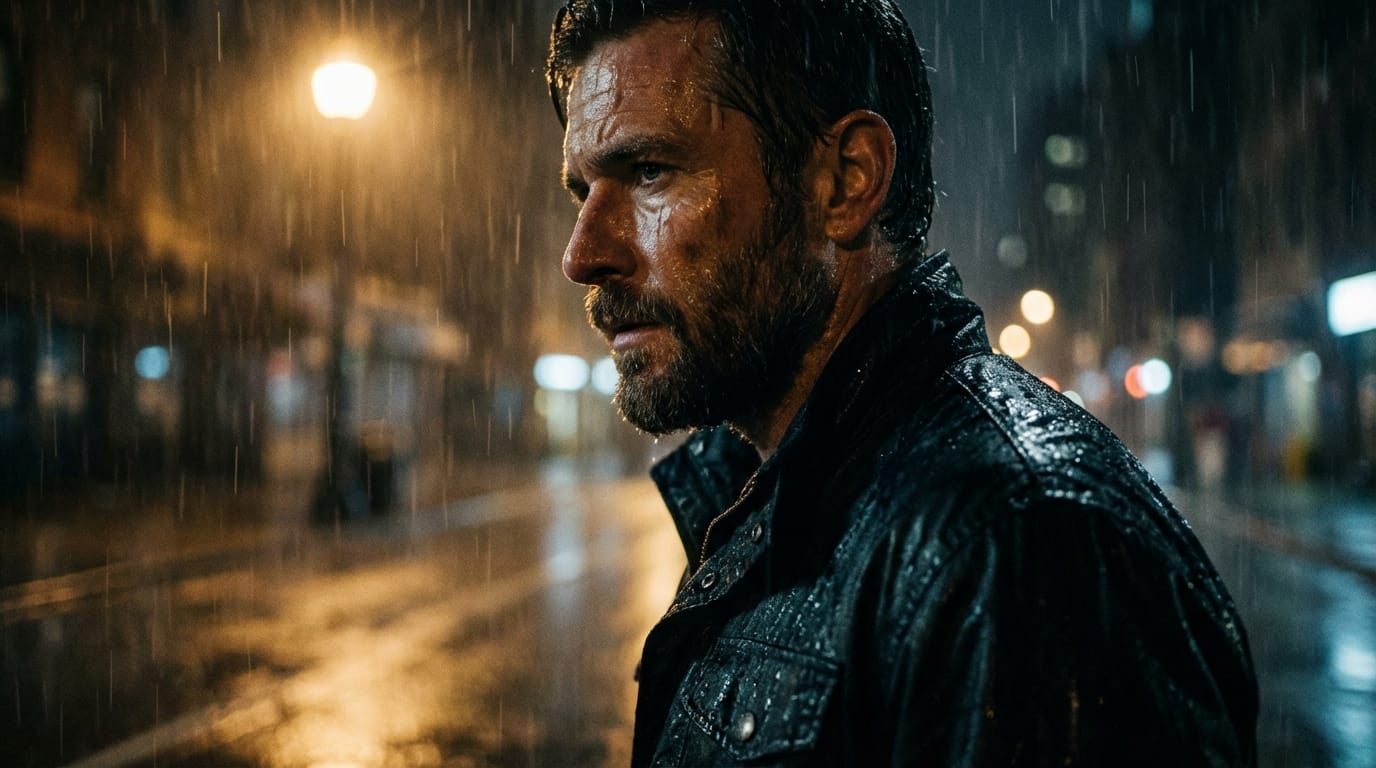
Conclusion: Is WAN 2.5 Suitable for Photorealistic Portrait Style Creation?
WAN 2.5 is a highly capable tool for Photorealistic Portrait style creation, particularly when the goal is a stable, consistent character presentation over a 10-15 second duration. Its ability to handle reference images makes it a powerful asset for animating static portraits into lifelike video.
While it may struggle with complex action sequences or multi-character interactions compared to future iterations, for focused, intimate portraiture and "living photos," it offers a professional-grade solution that balances speed and quality.
To test the model's capabilities with your own prompts and reference images, or to see how it stacks up against other industry leaders, visit the platform below.
- Visit Hotgen.AI: https://hotgen.ai
- Start Creating: https://hotgen.ai/signin