
Is Vidu Q3 Suitable for Generating Japanese Film Aesthetic Content?
The Japanese Film Aesthetic is defined by its subtle pacing, cool color palettes, and a deep sense of atmospheric storytelling. When evaluating whether a specific cinematic AI model can accurately replicate this style, we must look beyond basic image generation and analyze its capacity for narrative continuity, natural physics, and audio-visual synergy.
Vidu Q3, the flagship video generation model developed by Shengshu Technology and Tsinghua University, presents a compelling technical foundation for this specific aesthetic. Its ability to generate 16 seconds of continuous video with synchronized native audio aligns closely with the slow, deliberate pacing required for this genre. Creators looking to test this capability can access the model directly through the Hotgen.AI platform, which aggregates top-tier AI tools for streamlined workflows.
Core Visual and Narrative Traits of the Japanese Film Aesthetic
To determine if an AI generator can handle this style, we first need to define the measurable characteristics of the Japanese Film Aesthetic. It is not merely a filter, but a combination of specific visual and emotional choices.
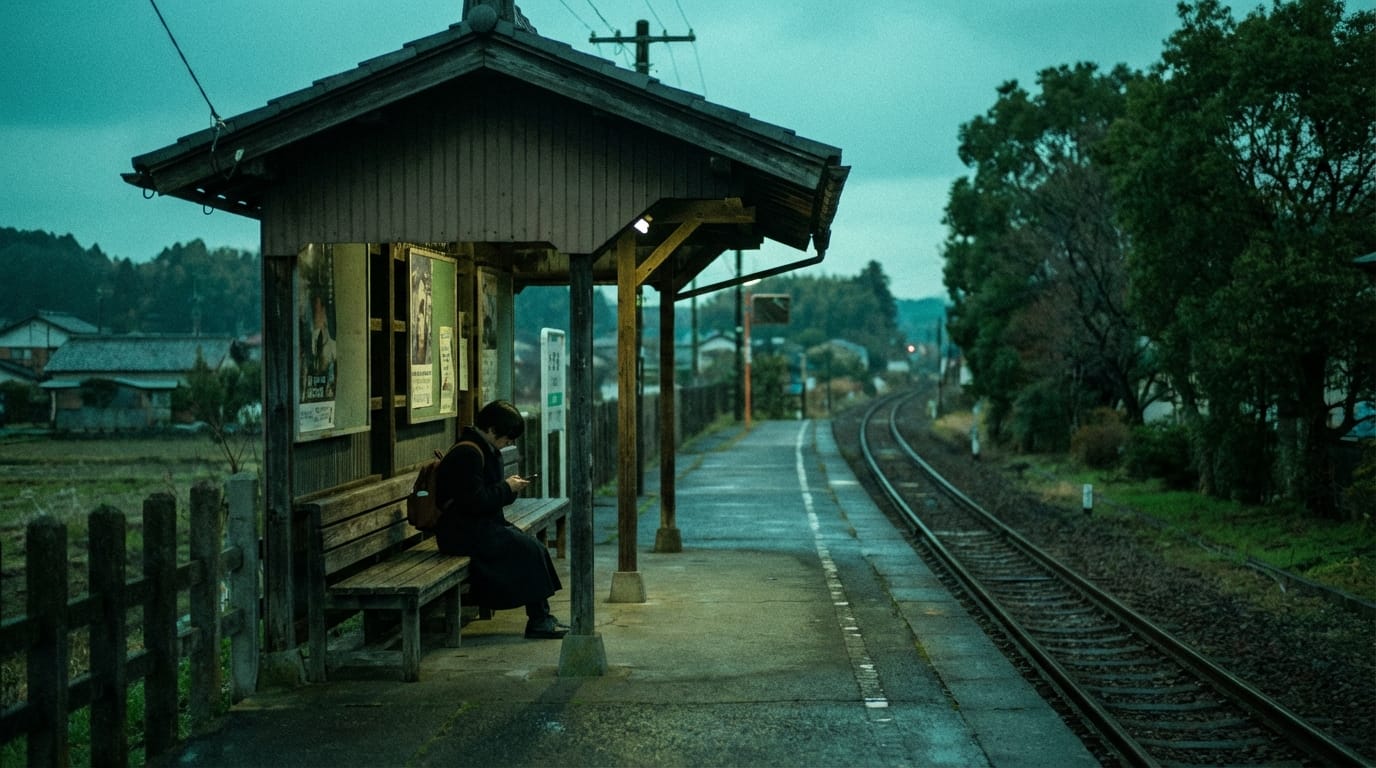
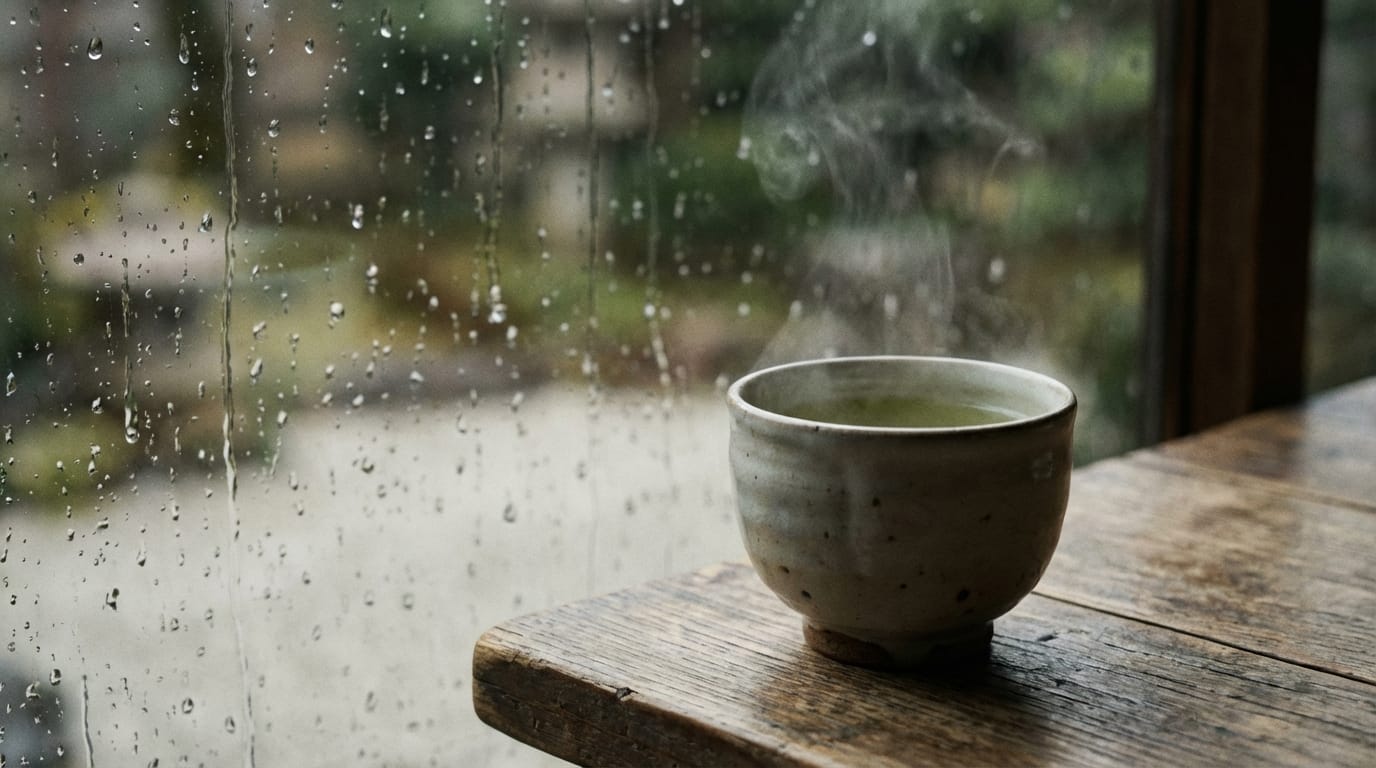
Visually, this style heavily relies on soft, diffused natural lighting rather than harsh artificial setups. The color grading often leans toward cooler tones, featuring cyan, muted greens, and desaturated blues that evoke a sense of calm or melancholy. Film grain, slight halation around light sources, and a generally low-contrast image profile are standard technical markers.
Narratively, the aesthetic embraces "mono no aware"—a quiet awareness of the transience of things. This translates to static camera setups, slow panning shots, and a focus on mundane, slice-of-life details like rustling leaves, a quiet train commute, or steam rising from a teacup. The pacing is intentionally unhurried, relying heavily on ambient soundscapes to build immersion.
Analyzing Vidu Q3's Performance in Japanese Film Aesthetic Generation
When applying Vidu Q3 to the Japanese Film Aesthetic style, the model's architecture offers several distinct advantages. The most significant is its 16-second native audio-video generation. Japanese cinema relies heavily on ambient noise—the sound of cicadas, distant rain, or a train crossing. Vidu Q3 generates these audio elements simultaneously with the video, ensuring the emotional rhythm matches the visual pacing without requiring extensive post-production.
The model's intelligent camera language is another critical factor. While many AI models default to hyper-dynamic, drone-like fly-throughs, Vidu Q3 demonstrates strong control over subtle directorial instructions. It successfully interprets prompts for "static shots," "slow push-in," or "fixed tripod," which are essential for maintaining the grounded, realistic feel of this aesthetic.
Furthermore, Vidu Q3 exhibits high physical realism and consistency. The natural movement of environmental elements—such as wind blowing through hair or rain hitting a window—is rendered with a high degree of fidelity. However, creators should note that achieving the exact desaturated color grading requires highly specific prompt engineering, as the model's default output can sometimes lean toward slightly higher saturation than traditional film stock.
Typical Use Cases for Japanese Film Aesthetic Content via Vidu Q3
Understanding the technical capabilities of this realistic AI generator helps identify where it fits into actual production pipelines. The intersection of Vidu Q3 and this specific aesthetic serves several practical scenarios.
- Narrative Short Films and Micro-Dramas: The 16-second generation window provides enough runtime to establish a complete scene, such as a character's quiet reflection or a transitionary environmental shot, complete with synchronized ambient audio.
- Brand Storytelling and Commercials: Brands leaning into lifestyle, wellness, or travel can utilize this aesthetic to create calming, high-end visual assets that feel authentic rather than artificially generated.
- Social Media Visual Poetry: Creators building atmospheric accounts on platforms like TikTok or Instagram can generate consistent, mood-driven cinematic snippets that capture audience attention through pacing rather than rapid cuts.
- Pre-visualization and Storyboarding: Directors can generate highly accurate mood boards and moving storyboards to communicate lighting, pacing, and color grading intentions to their production crews.
Prompt Writing Essentials for Japanese Film Aesthetic (Vidu Q3)
To extract the best results from Vidu Q3 for this style, your prompts must guide the model away from modern, hyper-crisp digital looks. The structure should explicitly define the camera movement, lighting, color palette, and audio expectations.
Avoid keywords like "epic," "dynamic," or "hyper-realistic." Instead, focus on terminology related to analog photography and subtle direction.
| Prompt Element | Recommended Keywords | Elements to Avoid |
|---|---|---|
| Camera Movement | Static shot, locked-off camera, slow pan, medium shot | FPV, drone shot, fast zoom, dynamic motion |
| Lighting & Color | Overcast light, soft diffusion, cyan undertones, low contrast | High contrast, neon lighting, vibrant colors |
| Texture & Atmosphere | 35mm film grain, halation, melancholic, slice-of-life | 8k resolution, ultra-detailed, sharp focus |
| Audio Cues | Ambient rain sounds, distant train noise, quiet wind | Epic orchestral music, heavy bass, loud explosions |
Example Prompt for Vidu Q3: A static medium shot of a young woman looking out a train window on a rainy afternoon. Soft natural overcast lighting, cool cyan and muted green color grading, subtle 35mm film grain. The camera remains completely still. Melancholic, slice-of-life atmosphere. Audio: The rhythmic sound of train tracks and gentle rain hitting the glass.
Common Workflows for Generating Japanese Film Aesthetic with Vidu Q3
Integrating this cinematic AI model into a creative workflow usually follows distinct paths depending on the starting assets. Hotgen.AI provides direct access to these generation pipelines.
The most direct method is Text-to-Video generation. By relying entirely on descriptive prompts, creators can generate original 16-second sequences from scratch. This is ideal for establishing shots or environmental cutaways where you need the model to design the composition based on the aesthetic rules provided in the text. You can explore this workflow via the Text-to-Video creation tool.
For projects requiring strict visual consistency, the Image-to-Video generation workflow is highly effective. Creators can first generate a static frame or upload an existing photograph that perfectly captures the desired Japanese film color grading and composition. Vidu Q3 then animates this reference image, adding subtle motion and ambient audio while locking in the visual style. This approach is accessible through the Image-to-Video creation tool.
Which Creators Benefit from Vidu Q3 for Japanese Film Aesthetic Projects?
The specific strengths of Vidu Q3 make it highly suitable for distinct groups of creators aiming for this aesthetic. Independent filmmakers and content creators benefit immensely from the native audio-video synchronization. The ability to generate a 16-second clip with matching ambient sound drastically reduces the time spent searching for and syncing Foley audio in post-production.
Commercial teams and advertising directors will find value in the model's intelligent camera language and physical realism. When pitching a lifestyle campaign that requires a calm, cinematic tone, Vidu Q3 allows teams to quickly generate high-fidelity, moving mood boards that accurately convey the intended emotional weight and pacing to clients.
Exploring More Japanese Film Aesthetic Capabilities on Hotgen.AI
While Vidu Q3 offers exceptional capabilities for video, achieving a specific aesthetic often requires testing across different model architectures. The Hotgen.AI platform facilitates this by aggregating multiple top-tier models under a unified credit system, allowing for seamless experimentation.
Creators can browse the comprehensive Model Library to discover other models that might excel in static image generation for storyboarding, such as Midjourney V7 or Flux. Additionally, utilizing the Model Compare feature allows users to run identical Japanese Film Aesthetic prompts across different models simultaneously, providing a clear technical evaluation of how each handles color grading and film grain.
Summary: Does Vidu Q3 Fit Your Japanese Film Aesthetic Needs?
Vidu Q3 demonstrates a strong aptitude for generating Japanese Film Aesthetic content, primarily due to its 16-second generation length, native audio integration, and capacity for restrained, realistic camera movements. It effectively captures the slow pacing and ambient mood required by the genre.
The model's boundaries lie primarily in prompt reliance; achieving the exact muted color palettes and filmic textures requires precise vocabulary to override the model's default rendering tendencies. For creators willing to refine their prompts, Vidu Q3 serves as a highly capable tool for cinematic, slice-of-life storytelling.
To evaluate Vidu Q3's capabilities for your own cinematic projects, visit the Hotgen.AI platform and sign in to start exploring how this model handles your specific creative direction.