Is Vidu Q2 Suitable for Generating Nihonga Style Content?
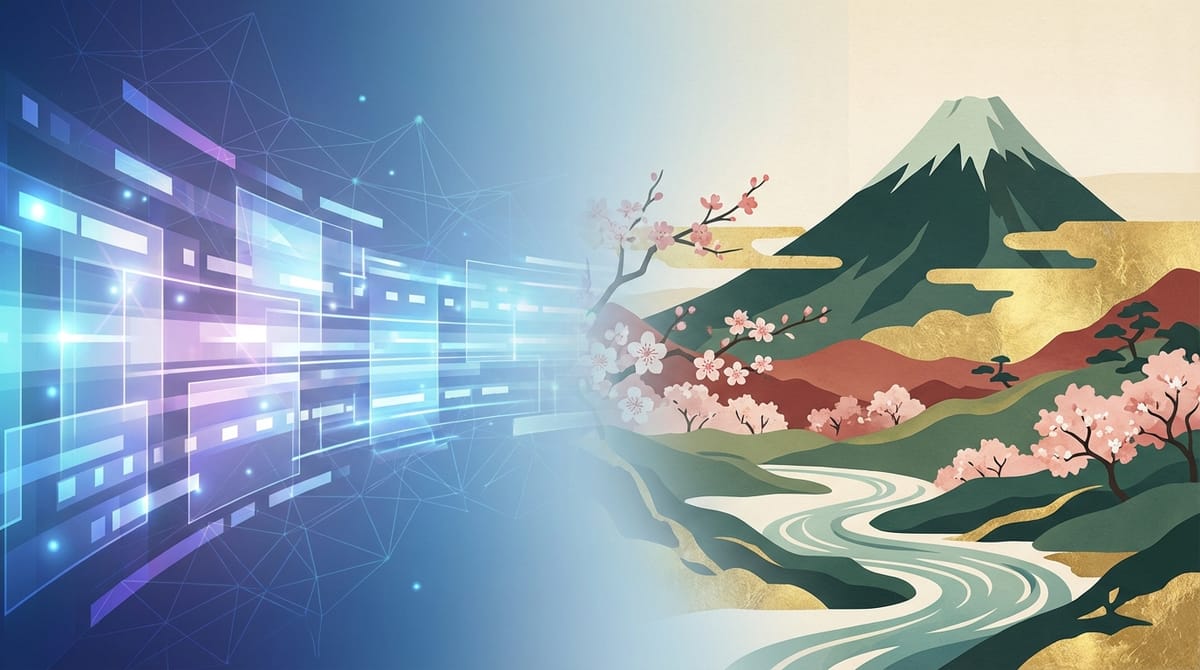
The Nihonga style, characterized by its traditional Japanese painting techniques, mineral pigments, and serene compositions, presents a unique challenge for AI generation. Translating these delicate, flat-shaded aesthetics into dynamic motion requires a model with exceptional visual stability and precise control.
Vidu Q2, a next-generation core video model, proves highly capable of handling this aesthetic. With its advanced facial fidelity, micro-expression control, and cinematic camera stability, Vidu Q2 can animate traditional Japanese art without breaking its distinctive visual texture. Creators can easily access and utilize this model directly through the Hotgen.AI platform.
Typical Visual and Content Characteristics of the Nihonga Style
To effectively generate Nihonga content, it is essential to understand its core visual parameters. This style relies heavily on specific material textures rather than realistic lighting or deep perspective.
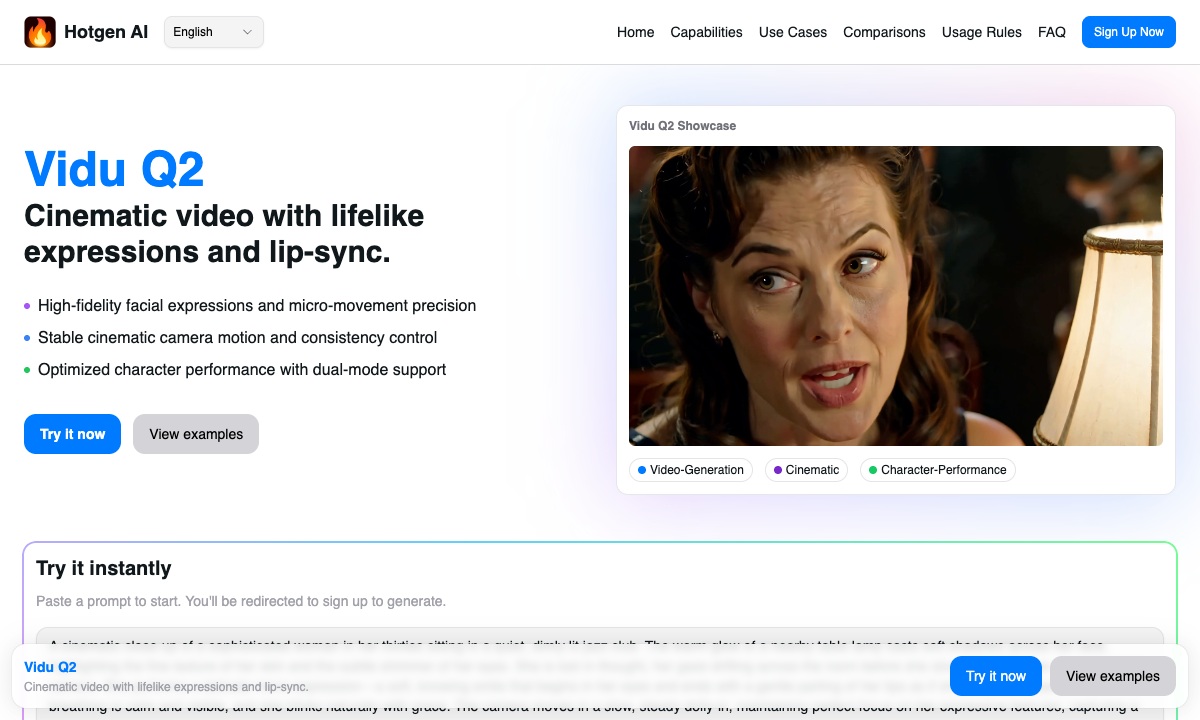
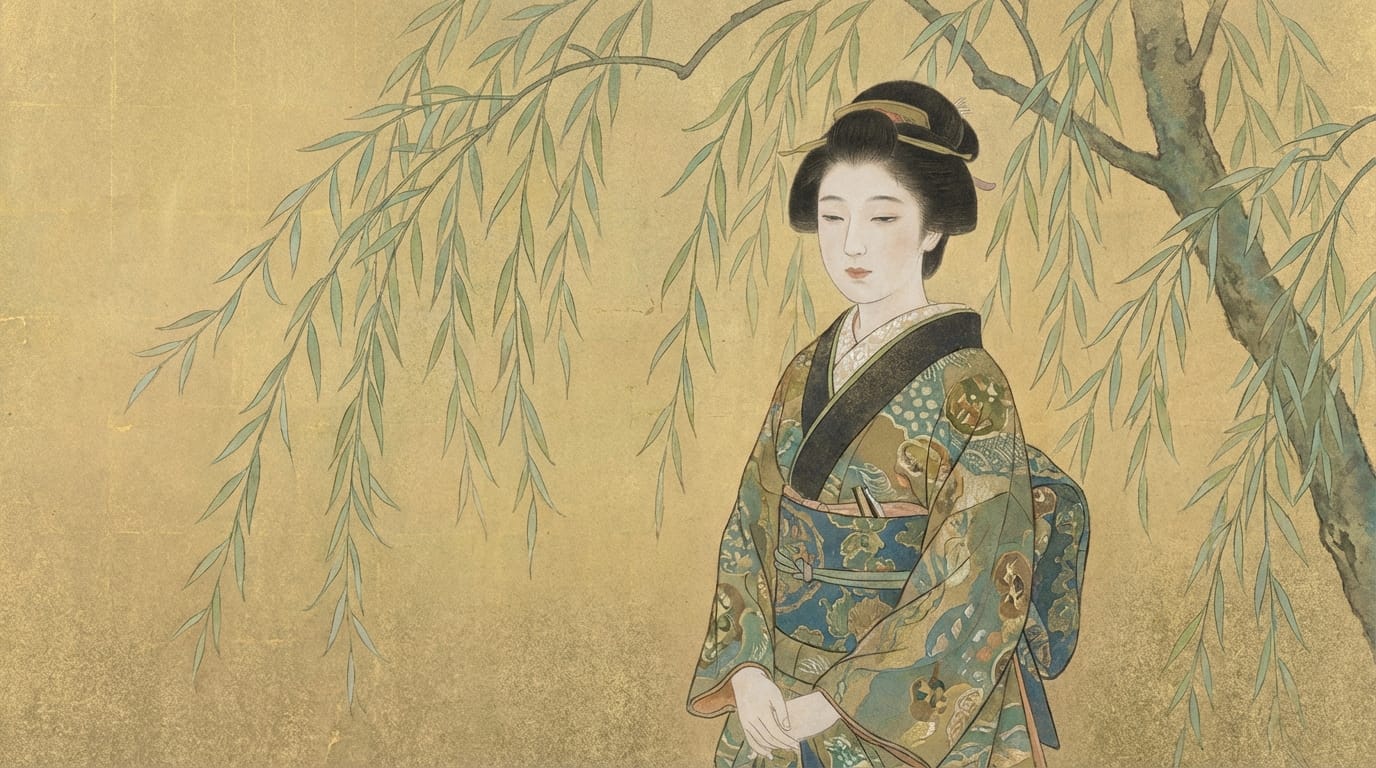
The visual foundation includes flat color application, the grainy texture of mineral pigments (iwa-enogu), and frequent use of metallic elements like gold or silver leaf backgrounds. Line work is typically soft yet deliberate, framing subjects without harsh, modern shadows.
In terms of content, the style often leans toward serene, nature-focused narratives. Common motifs include traditional landscapes, flora and fauna (kachō-ga), and figures with subtle, restrained emotional expressions. The overall atmosphere is ethereal and contemplative.
Performance Analysis of Vidu Q2 in the Nihonga Style
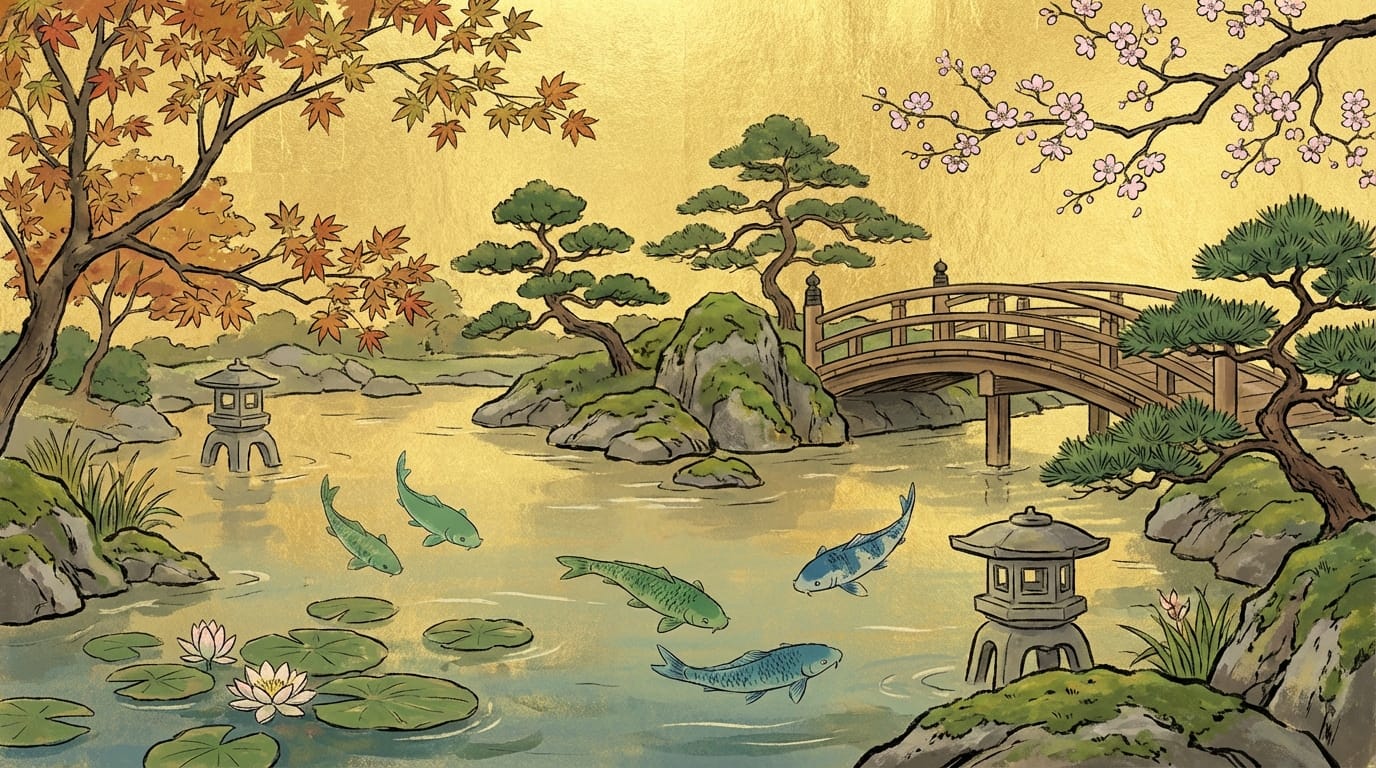
When applied to the Nihonga aesthetic, Vidu Q2 demonstrates strong capabilities, particularly due to its underlying architectural focus on consistency and natural movement.
| Performance Metric | Vidu Q2 Capability Analysis |
|---|---|
| Style Restoration | Excellent in Image-to-Video workflows. Translates static mineral textures into motion smoothly. Text-to-Video requires precise material keywords to avoid defaulting to standard anime styles. |
| Visual Consistency | High. The model maintains flat shading and delicate linework during camera movements, preventing the flickering often seen in complex textures. |
| Motion & Expression | Outstanding. Vidu Q2's mastery of micro-expressions (blinking, subtle gazes) perfectly matches the restrained emotional tone typical of Nihonga figures. |
The model's dual modes (Turbo and Pro) allow creators to balance between rapid iteration and high-fidelity output. The Pro mode is particularly effective for preserving the intricate grain of washi paper and mineral paints during slow camera pans.
Typical Scenarios for Generating Nihonga Style Content with Vidu Q2
The intersection of traditional Japanese aesthetics and stable AI video generation opens up highly specific, high-value use cases for creators.
- Social Media Visual Loops: Short, calming animations of nature scenes or flowing water, utilizing the gold leaf aesthetic for premium visual appeal.
- Video Covers and Storyboards: Establishing shots for historical documentaries, fantasy narratives, or cultural video essays requiring an authentic traditional look.
- Character Concept Animation: Bringing static character designs to life with subtle breathing and blinking, ideal for game developers or visual novel creators.
- Digital Museum Exhibitions: Animating public domain traditional artworks for immersive, large-scale displays while maintaining the original texture.
Key Points for Writing Nihonga Style Prompts (Based on Vidu Q2)
To maximize Vidu Q2's potential for this specific aesthetic, your prompts must prioritize material descriptions and subtle motion instructions over complex lighting setups.
Avoid terms like "volumetric lighting" or "hyper-realistic," as these will break the flat, traditional nature of the style. Instead, focus on defining the canvas, the pigments, and the precise camera behavior you expect from Vidu Q2.
Example Prompt for Vidu Q2: Nihonga style painting of a woman in a traditional kimono standing beneath a weeping willow. Flat shading, mineral pigments, iwa-enogu texture, faded gold leaf background, soft outlines. Subtle motion: the woman slowly blinks, gentle breeze moving the willow branches. Stable camera, slow horizontal pan, cinematic and serene atmosphere.
Common Methods for Generating Nihonga Style with Vidu Q2
Creators typically utilize two primary workflows to achieve this aesthetic, depending on their starting assets and desired control levels.
The most reliable method for exact style fidelity is the Image-to-Video workflow. Creators can upload an existing Nihonga illustration—or generate one using a dedicated image model—and use Vidu Q2 to add stable, cinematic motion. You can access this directly via https://hotgen.ai/create/image2video/vidu-video-viduq2.
Alternatively, for rapid conceptualization, the Text-to-Video approach allows you to build the scene entirely from prompt instructions. This leverages Vidu Q2's semantic understanding to construct the traditional elements directly into a moving sequence. Try this workflow at https://hotgen.ai/create/text2video/vidu-video-viduq2.
Which Creators are Suitable for Using Vidu Q2 for Nihonga Style Creation
Individual illustrators and digital artists will find Vidu Q2 highly effective for animating their static portfolios. The model's ability to handle micro-movements like lip-sync and gaze shifts allows solo creators to produce professional-grade animated assets without manual keyframing.
Commercial teams, including advertising agencies and content production studios, benefit from the model's consistency. When producing campaigns that require a specific cultural aesthetic, Vidu Q2 ensures the visual identity remains intact across multiple generated clips, streamlining the post-production process.
Exploring More Nihonga Style Creation Methods on Hotgen.AI
Achieving the perfect traditional aesthetic often involves a multi-model approach. Hotgen.AI serves as an All-in-One AI Creative & Model Aggregation Platform, allowing you to seamlessly combine different tools.
For instance, you might generate the base static image using a top-tier image model, and then seamlessly transition to Vidu Q2 for animation. You can browse all available models to find the best starting point in the Model Library.
If you are unsure which video model handles flat shading best, you can test and evaluate different outputs side-by-side. Utilize the Model Compare feature to analyze how Vidu Q2 stacks up against other options when rendering specific artistic textures.
Conclusion: Is Vidu Q2 Suitable for Nihonga Style Creation?
Vidu Q2 is highly suitable for generating and animating Nihonga style content. Its core strengths in visual stability and subtle character acting align perfectly with the delicate, restrained nature of traditional Japanese painting.
The primary boundary lies in text-to-video prompt dependency; without explicit material keywords, the model may drift toward modern anime aesthetics. However, when paired with an image-to-video workflow, it delivers exceptional, flicker-free results that preserve the original artistic intent.
To explore Vidu Q2's capabilities and test your own creative concepts, visit https://hotgen.ai. You can start your creative process and evaluate the results directly by logging in at https://hotgen.ai/signin.