Is Vidu Q1 Suitable for Generating Watercolor Style Content?
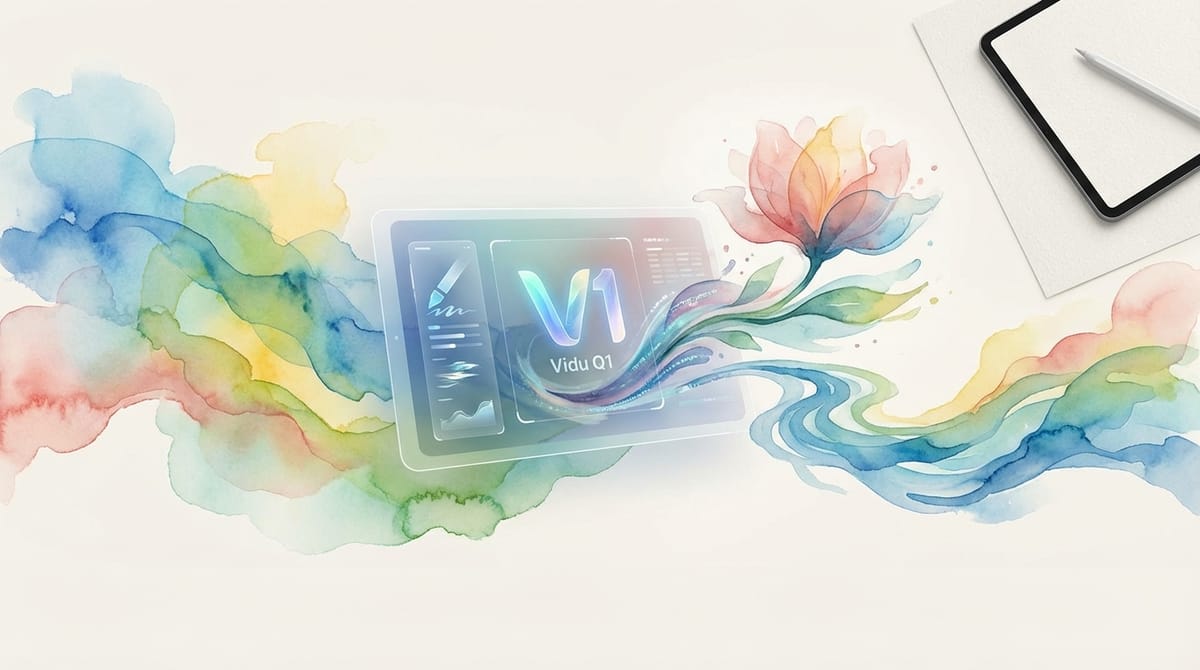
The Watercolor Style is defined by its fluid color washes, translucent textures, and soft, bleeding edges. Translating this delicate aesthetic into motion requires an AI model that can handle fluid dynamics without losing structural coherence. Vidu Q1, a benchmark video generation model from the first half of 2025, proves to be highly capable of rendering this specific artistic direction.
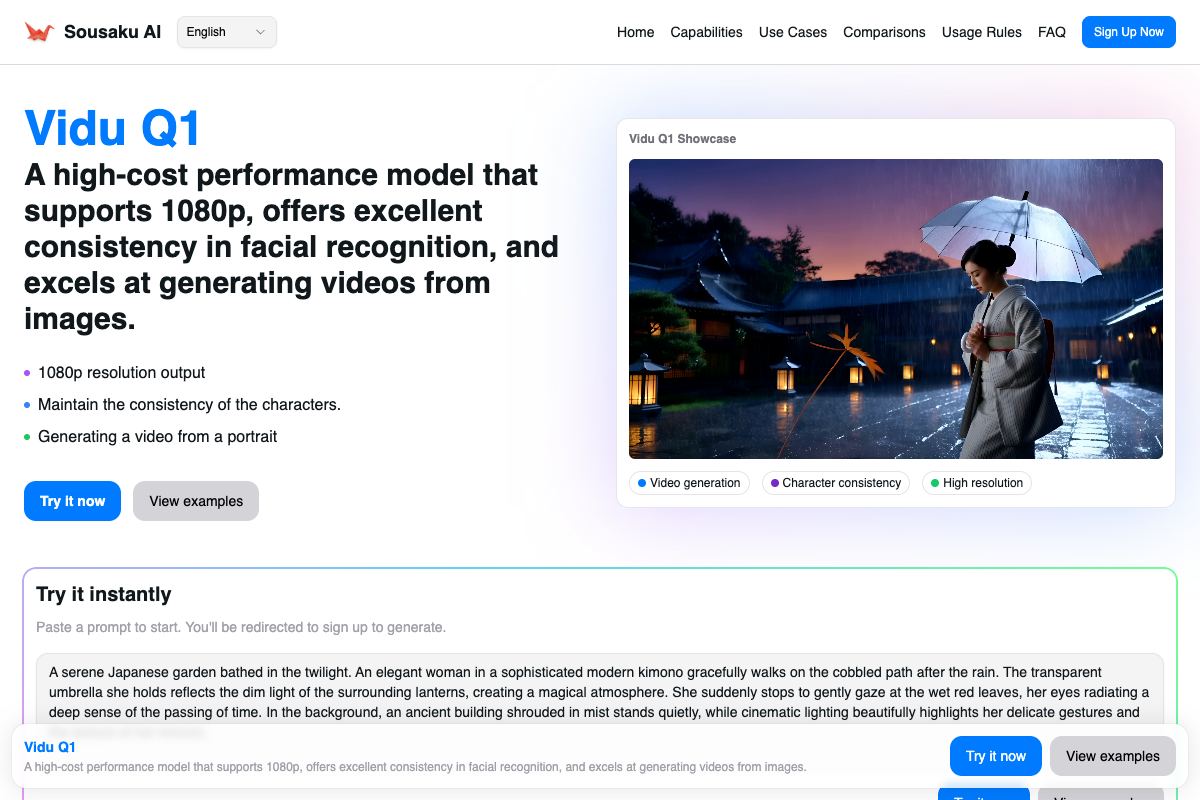
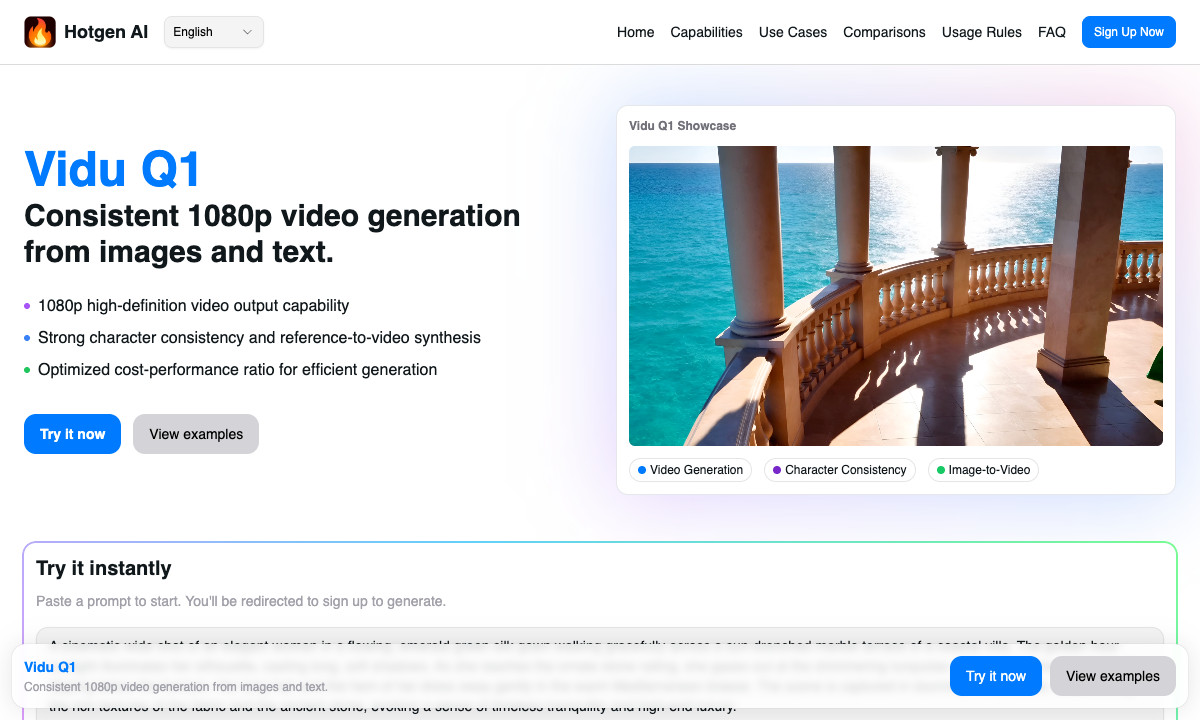
By leveraging its native 1080p resolution output and exceptional character consistency, Vidu Q1 can animate watercolor concepts into stunning 5-second clips. Creators looking to explore this visual style can access the model directly through Hotgen.AI, an all-in-one AI creative platform that seamlessly integrates top-tier models.
Typical Visual and Content Characteristics of Watercolor Style
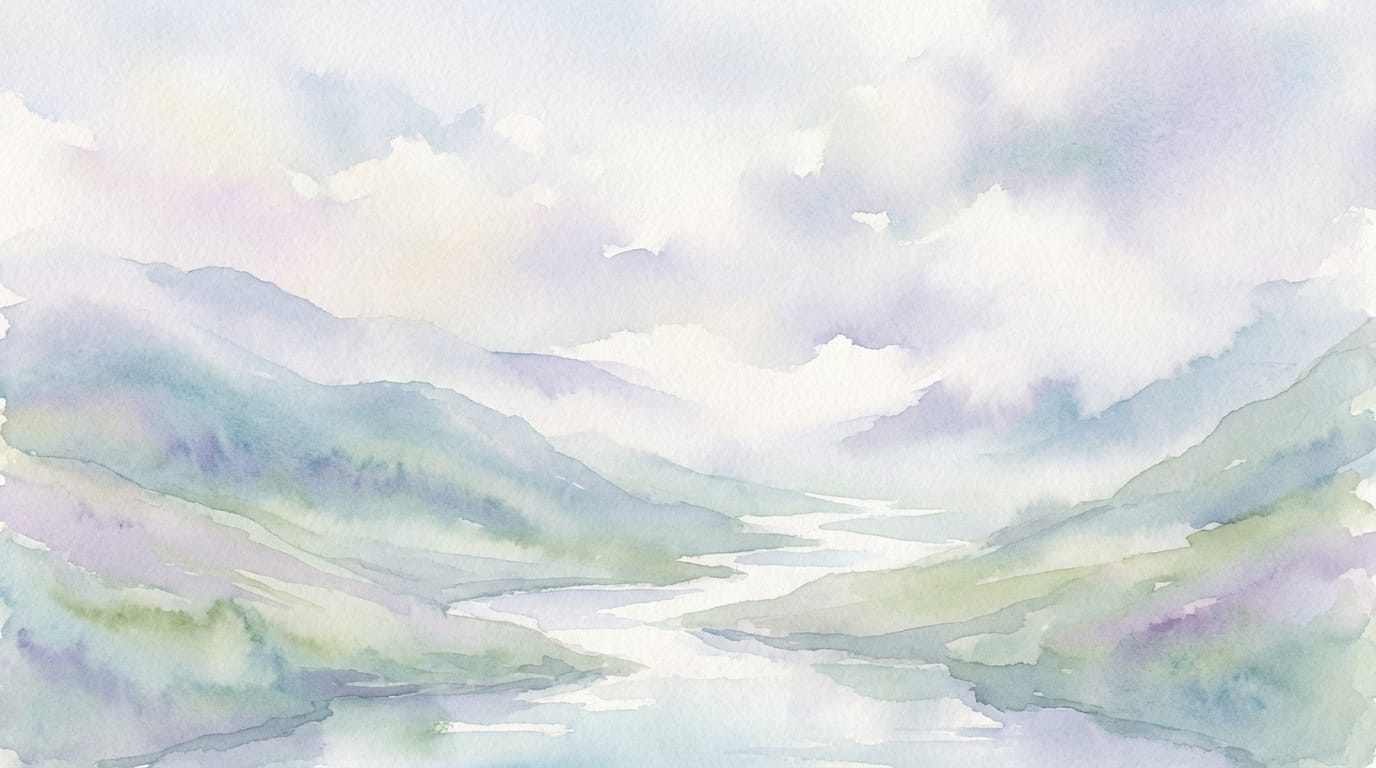
The core visual identity of the Watercolor Style revolves around pigment interacting with paper. Key characteristics include translucent color layers, wet-on-wet blending, visible paper grain, and organic, uneven borders. The aesthetic intentionally avoids harsh lines and hyper-realistic lighting.
From a narrative perspective, this style evokes nostalgia, tranquility, and poetic storytelling. It is frequently used to convey ethereal moods, dream sequences, or emotional character moments. The soft nature of the medium naturally softens the impact of the visual subject, making it ideal for atmospheric world-building.
Vidu Q1 Performance Analysis in Watercolor Style
When generating a Watercolor Style ai prompt, Vidu Q1 demonstrates strong style restoration. The model effectively interprets keywords related to traditional painting techniques, maintaining the illusion of flowing pigment. Its 1080p output ensures that subtle details, like paper texture and color gradients, remain sharp and visible in motion.
Vidu Q1 is particularly renowned for its character consistency. This is a massive advantage for watercolor animations, where maintaining facial features across frames can be notoriously difficult due to the abstract nature of the style. The model keeps subjects recognizable even as the surrounding watercolor elements shift and blend.
However, the model does have documented boundaries. While static or slow-moving subjects look incredible, complex movements can challenge its camera stability. Rapid actions may cause the watercolor textures to warp unnaturally, and micro-facial expressions might lack the nuanced detail found in newer iterations like the Q2 series.
Typical Scenarios for Generating Watercolor Style with Vidu Q1
Social Media Visuals: Creators can generate looping, poetic 5-second animations to serve as aesthetic backgrounds for lo-fi music channels or atmospheric Instagram Reels.
Conceptual Storyboards: Directors and animators can use the model to quickly visualize scenes. The soft watercolor look is perfect for pitching emotional or dreamlike sequences without committing to final 3D renders.
Animated Book Covers and Illustrations: Authors and publishers can bring static watercolor cover art to life. Subtle motions, like wind blowing through a character's hair or gently falling rain, add immense value to digital marketing assets.
Character Concept Showcases: Game developers looking for a stylized, non-photorealistic aesthetic can use Vidu Q1 to present character designs in a dynamic, artistic format.
Prompt Writing Essentials for Watercolor Style (Based on Vidu Q1)
To get the best results from this watercolor style ai generator, your prompt must explicitly override the model's default tendency toward realism. Structure your prompt by defining the subject first, followed by specific traditional art keywords, lighting conditions, and motion constraints.
Key stylistic triggers include terms like "wet-on-wet technique," "translucent washes," "soft pastel palette," and "visible watercolor paper texture." It is equally important to use negative constraints. Avoid terms like "3D render," "photorealistic," "sharp focus," or "cinematic lighting," as these will break the traditional art illusion.
Example Prompt:
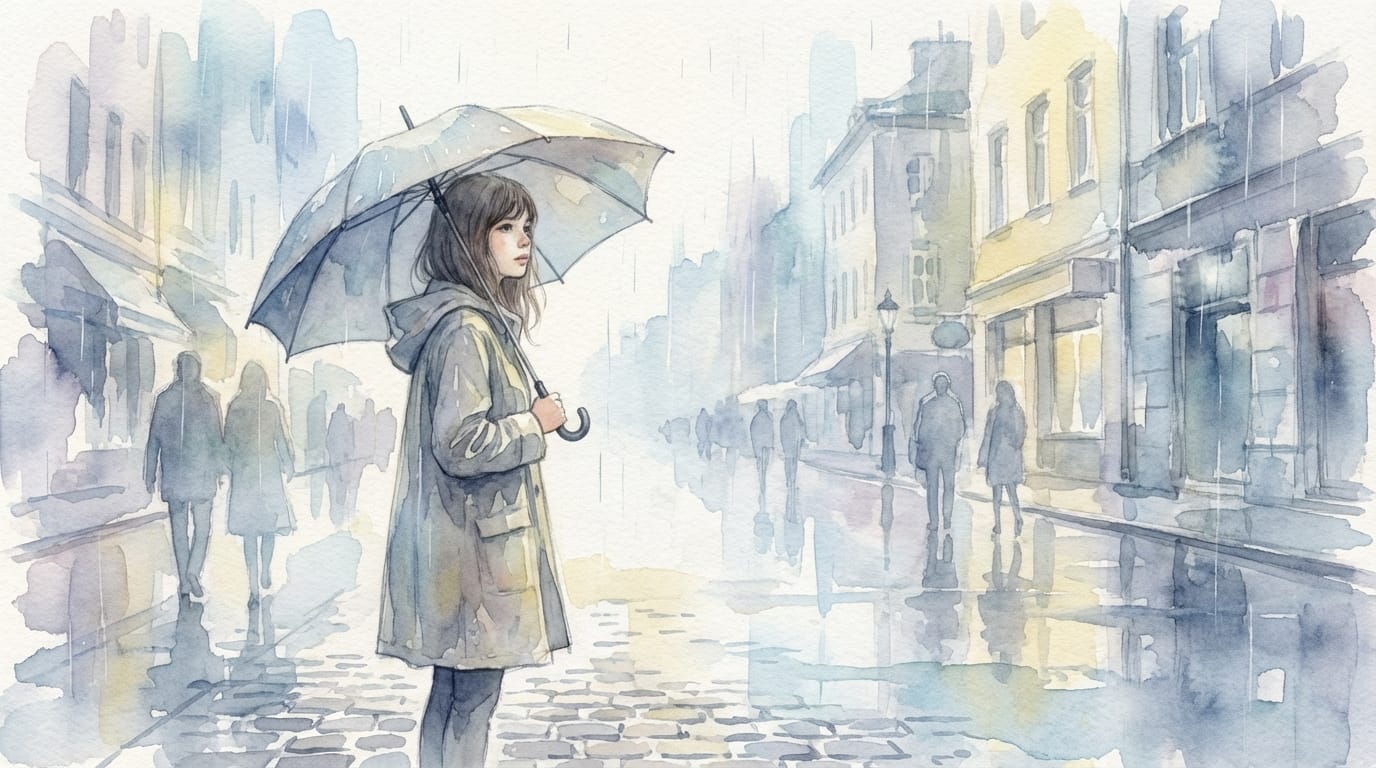
A young woman standing under an umbrella in a rainy city street, watercolor style illustration. Translucent color washes, wet-on-wet blending, soft pastel blues and greys, visible paper grain. Gentle rain falling, slow and subtle camera movement. Ethereal and nostalgic mood, 1080p.
Common Methods to Generate Watercolor Style with Vidu Q1
Because Vidu Q1 excels as a video model, creators typically approach watercolor generation through two primary workflows. The choice depends on how much control you need over the initial visual composition.
The first method is direct Text-to-Video. By writing a highly descriptive prompt utilizing the structural tips mentioned above, you can instruct the model to generate a watercolor animation from scratch. This is ideal for rapid conceptualization. You can access this directly via https://hotgen.ai/create/text2video/vidu-video-viduq1.
The second, and often more precise method, is Image-to-Video. You can generate a high-quality static watercolor image using an image model (like Midjourney or Flux), and then use Vidu Q1's outstanding reference image capabilities to animate it. This guarantees the exact composition while adding motion. Try this workflow at https://hotgen.ai/create/image2video/vidu-video-viduq1.
Which Creators Should Use Vidu Q1 for Watercolor Style
Independent illustrators and traditional artists will find Vidu Q1 highly valuable. The model allows them to animate their existing static watercolor portfolio with minimal technical friction, breathing new life into their artwork for digital platforms.
Content creators and video producers looking to differentiate their visual branding should also utilize this tool. Inserting a 5-second watercolor transition or intro sequence provides a highly stylized, premium feel to standard video content without requiring an entire animation team.
Commercial marketing teams can leverage Vidu Q1 for brand storytelling. When a campaign requires a softer, more emotional, or nostalgic tone, generating watercolor style assets offers a unique visual alternative to the saturated market of realistic ai models.
Explore More Watercolor Style Creation Methods on Hotgen.AI
Finding the perfect AI model for a specific aesthetic often requires experimentation. Hotgen.AI operates as a multi-model aggregation platform, allowing you to test the Watercolor Style across various top-tier engines without needing multiple subscriptions.
You can browse the comprehensive Model Library to discover other tools that might complement your workflow, such as dedicated text-to-image models for generating your initial watercolor reference frames.
To see how Vidu Q1 stacks up against other video generators like Sora2 or Kling AI in rendering traditional art styles, utilize the Model Compare feature. This enables side-by-side evaluations to ensure you are using the best possible engine for your specific project needs.
Summary: Is Vidu Q1 the Right Choice for Watercolor Style?
Vidu Q1 is a highly capable engine for Watercolor Style generation, particularly when your project requires high-resolution (1080p) output and strong character consistency. Its ability to maintain the structural integrity of subjects while rendering fluid, translucent textures makes it a top contender for short, poetic animations.
However, creators should be mindful of its boundaries. Projects requiring highly complex character movements or intricate micro-facial expressions might expose the model's limitations in camera stability. For subtle, atmospheric motion—like falling rain, flowing hair, or gentle pans—it remains a benchmark tool.
To evaluate its capabilities for your own creative projects, visit https://hotgen.ai and sign in at https://hotgen.ai/signin to start experimenting with Vidu Q1 today.