Is Vidu Q1 Suitable for Generating Realistic Style Content?

The realistic style demands high fidelity in textures, accurate lighting, and lifelike physics to mirror the physical world. Vidu Q1, a prominent video generation model from early 2025, supports 1080p resolution and excels in character consistency, making it a highly viable option for realistic video outputs.
Creators can access and evaluate this model directly within the Hotgen.AI platform to test its capabilities. While it delivers strong performance for standard realistic scenes, understanding its specific technical boundaries is essential for achieving optimal visual results.
Typical Visual and Content Features of the Realistic Style
Realistic style content aims to replicate physical reality without overt stylization or artistic exaggeration. Visually, it relies on physically accurate lighting, natural skin textures, precise depth of field, and true-to-life material reflections.
The color grading typically mimics real-world camera lenses, utilizing natural contrast and avoiding hyper-saturated tones. Shadows and highlights behave according to real-world physics, adding volume and grounding the subjects firmly in their environment.
Narratively, this style often conveys authenticity and documentary-like objectivity. It captures subtle environmental dynamics, such as natural wind movements or ambient light shifts, to establish a highly believable setting.
Performance Analysis of Vidu Q1 in the Realistic Style
Vidu Q1 demonstrates solid capability in rendering realistic environments, particularly when outputting in its native 1080p resolution. The model maintains impressive character consistency across its typical 5-second video generation window.
When utilizing reference images, Vidu Q1 effectively preserves the structural and textural details of the original input. This makes it highly dependable for workflows requiring strict adherence to predefined realistic assets or specific character designs.
However, the model has noticeable limitations within the realistic domain. Complex physical actions and camera stability can sometimes falter during generation. Additionally, it struggles with rendering nuanced facial micro-expressions compared to newer iterations like the Q2 series.
Typical Scenarios for Generating Realistic Content with Vidu Q1
Given its specific strengths and constraints, Vidu Q1 is well-suited for several practical production scenarios where high resolution and consistency are prioritized over complex motion.
- Social Media B-Roll: Generating high-definition, static, or slow-panning realistic background footage for video content.
- Commercial Storyboarding: Creating lifelike animatics and pre-visualization scenes to pitch realistic commercial concepts.
- Character Concept Previews: Bringing static realistic character designs to life with subtle, consistent movements.
- Atmospheric Environment Shots: Producing 5-second establishing shots of realistic landscapes or urban settings with minimal complex action.
Prompt Writing Essentials for the Realistic Style (Based on Vidu Q1)
To maximize realism in Vidu Q1, prompts should prioritize photographic terminology over abstract concepts. Specify the camera angle, lighting setup, and focal length to guide the model toward a cinematic or documentary look.
Because Vidu Q1 can struggle with complex actions, keep motion descriptions simple and focused. Use keywords like "slow pan," "static camera," or "subtle movement" to bypass its camera stability limitations and ensure a smooth output.
Avoid overly complex emotional cues, as facial micro-expressions are not its primary strength. Instead, focus the prompt on environmental details, physical textures, and atmospheric lighting.
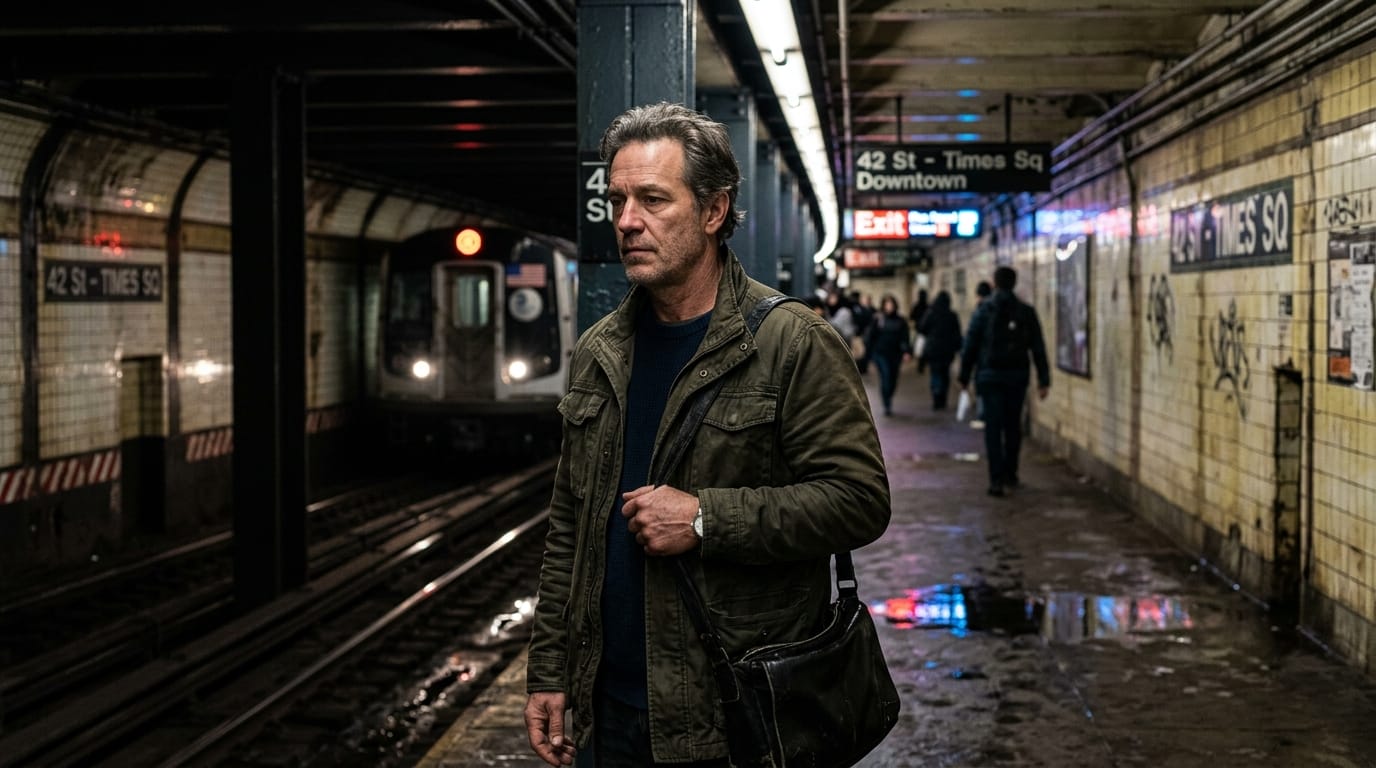
Prompt: Cinematic shot, 35mm lens, a realistic middle-aged man standing in a dimly lit subway station, natural skin texture, soft neon lighting reflecting on wet concrete, subtle ambient movement, static camera, 1080p, photorealistic.

Common Methods to Generate Realistic Style Content using Vidu Q1
Creators typically approach realistic generation with Vidu Q1 through two primary workflows, depending on the need for control and the availability of source assets.
For pure ideation, the Text-to-Video function allows users to build realistic scenes entirely from detailed descriptive prompts. This method is ideal for generating establishing shots or environmental B-roll from scratch.
When strict visual fidelity is required, the Image-to-Video feature is highly effective. By uploading a realistic reference image, creators can leverage Vidu Q1's strong character consistency to animate existing assets with minimal detail loss.
Which Creators Are Suited to Use Vidu Q1 for Realistic Style Creation
Independent video creators and social media managers will find Vidu Q1 highly efficient for generating realistic filler footage or background plates. Its high cost-performance ratio makes it accessible for daily content needs without sacrificing base resolution.
Commercial production teams can utilize the model for rapid pre-visualization and mood board animation. It allows directors and producers to test realistic lighting and composition setups before committing to expensive physical shoots.
However, creators requiring highly dynamic action sequences or intense emotional close-ups may need to evaluate other options. The model's limitations in micro-expressions and complex movement make it less suitable for heavy character-driven drama.
Explore More Realistic Style Creation Methods on Hotgen.AI
Finding the right model for specific realistic requirements often requires testing and comparison. The Hotgen.AI platform facilitates this by aggregating multiple top-tier AI models in one unified workspace, utilizing a flexible credit system.
Users can browse the comprehensive Model Library to discover other engines capable of realistic generation. This eliminates the friction of switching between different standalone services and managing multiple accounts.
To determine which model best handles specific realistic textures or motions, creators can utilize the Model Compare feature. This allows for side-by-side evaluation of outputs from Vidu Q1 against other industry-leading alternatives.
Conclusion: Is Vidu Q1 Suitable for Realistic Style Creation?
Vidu Q1 remains a highly capable and cost-effective option for generating realistic style video content, particularly when the focus is on character consistency and high-resolution environmental shots. Its 1080p output provides a solid foundation for professional workflows.
The model excels in scenarios requiring subtle movements and reference image animation. However, its boundaries are evident when tasked with complex physical actions, rapid camera movements, or nuanced facial expressions.
By understanding these technical parameters, creators can effectively integrate Vidu Q1 into their production pipelines for specific realistic tasks. To explore Vidu Q1 and test its capabilities for your own realistic projects, visit Hotgen.AI. You can sign in to start creating and comparing models to find the perfect fit for your specific visual requirements.