Is Midjourney V6 Suitable for a Manga Artist?
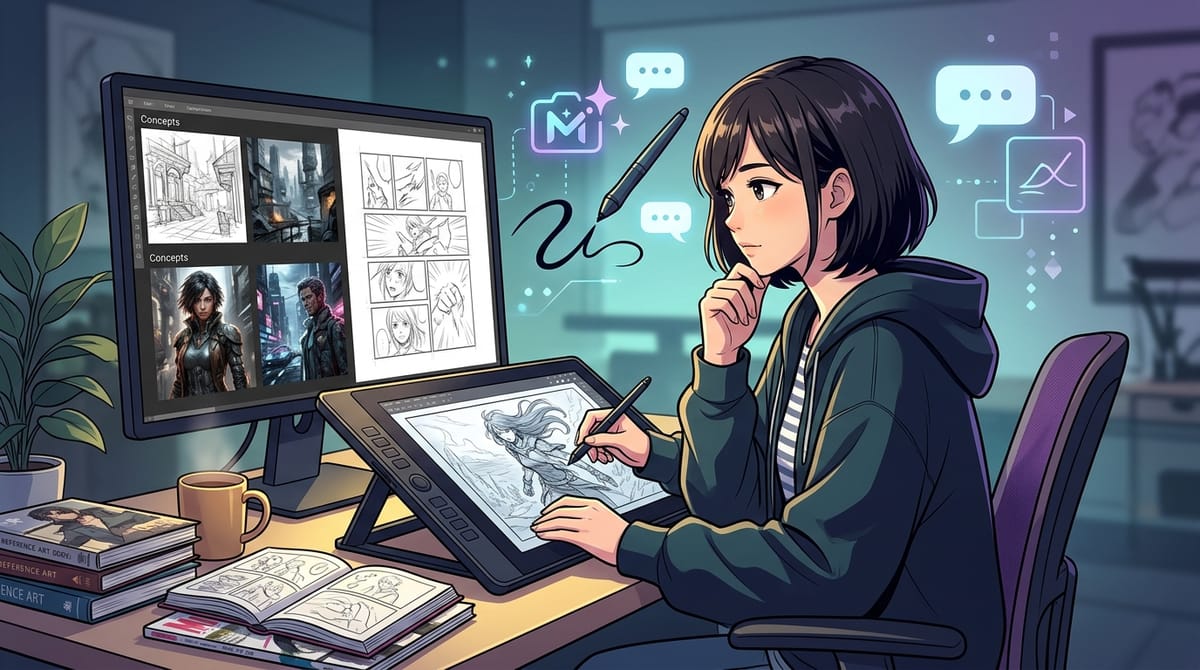
Manga artists operate in a high-pressure creative environment where character consistency, intricate backgrounds, and compelling cover art are essential. They frequently need tools that can accelerate their conceptualization phase without compromising on artistic quality. Finding a generative model that understands complex visual prompts and translates them into cohesive, stylized assets is crucial for this demographic.
Midjourney V6 represents a significant leap in image generation, moving towards enhanced realism, superior prompt accuracy, and better image coherence. While it is renowned for cinematic and photorealistic outputs, its advanced understanding of complex descriptions and advanced personalization features make it a powerful asset for a Manga artist. It excels at generating highly detailed backgrounds, intricate character concepts, and vibrant cover illustrations. You can access and utilize this model directly within the Hotgen.AI platform.
Typical Creative Needs of a Manga Artist
The core objective of a Manga artist is to tell a compelling visual story through sequential art. This requires developing distinct character designs, establishing immersive worlds, and producing consistent serialized content on tight deadlines. Efficiency and quality are paramount in their daily workflow.
Common outputs include black-and-white line art, screentone patterns, fully colored volume covers, and detailed environmental backgrounds. Maintaining visual consistency across dozens of panels is often the most time-consuming aspect of their work.
Artists are constantly seeking ways to speed up the drafting process, particularly for complex architectural backgrounds or crowd scenes. They value tools that can maintain specific stylistic guidelines while generating high-quality reference materials or base layers that they can draw over.
How Midjourney V6 Meets the Needs of a Manga Artist
Midjourney V6 significantly improves prompt accuracy, allowing artists to input long, complex descriptions of character outfits, poses, and environmental lighting. This means a Manga artist can describe a specific fantasy cityscape or a cyberpunk alleyway and receive an accurate, highly detailed image to use as a background reference. The model's enhanced knowledge understanding ensures that cultural and architectural nuances are respected.
The improved image coherence in V6 is a major advantage for character design. Limbs, hands, and object interactions are rendered much more naturally compared to previous versions. This reduces the time an artist needs to spend correcting anatomical errors when using AI-generated images for pose references or character sheets.
Furthermore, V6 supports advanced image prompting and personalization features. A Manga artist can feed their own sketches into the model to generate fully colored concepts or variations, maintaining a closer alignment with their personal art style. The ability to generate legible built-in text also helps when mocking up volume covers or promotional posters.
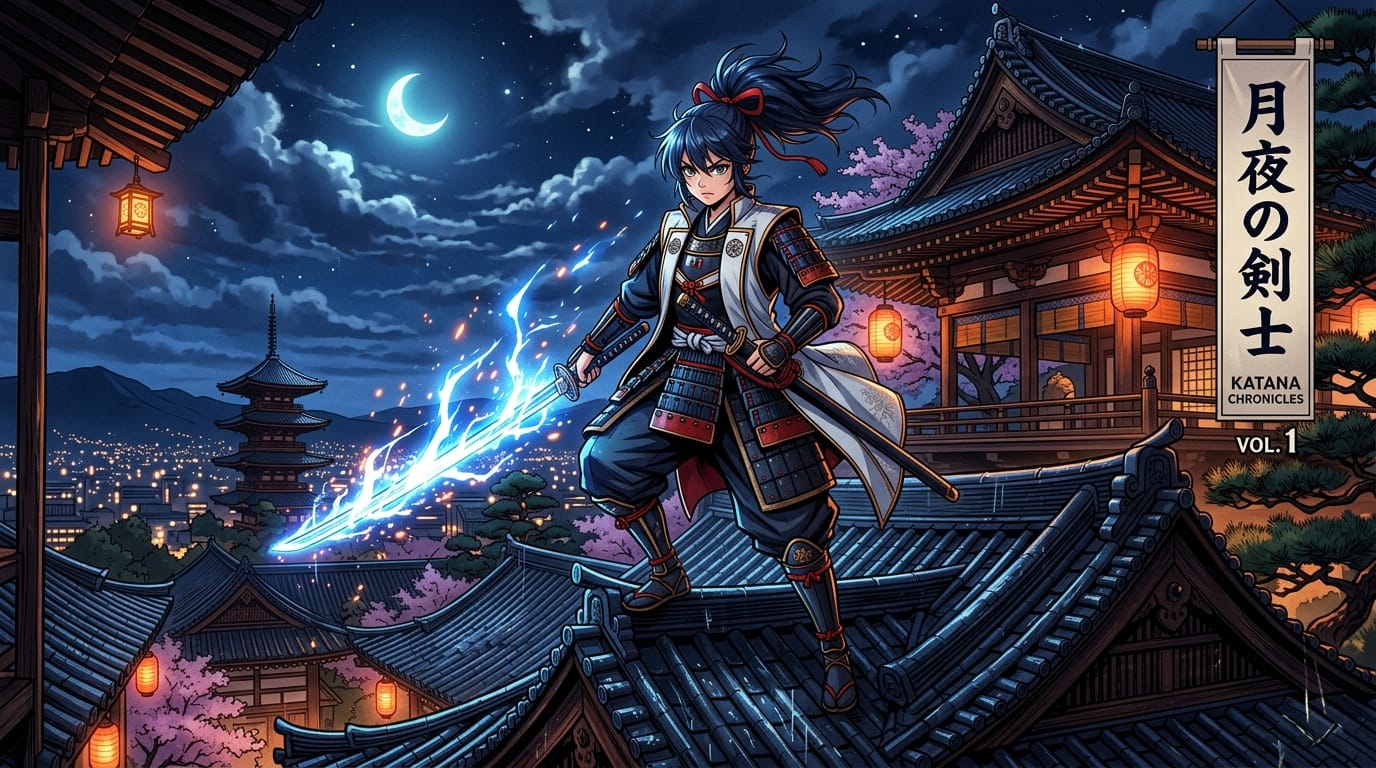
A high-quality manga cover illustration, a young female warrior holding a glowing katana, standing on a traditional Japanese temple roof at midnight, vibrant dramatic lighting, highly detailed cel-shaded anime style, dynamic low angle shot
Common Workflows for a Manga Artist Using Midjourney V6
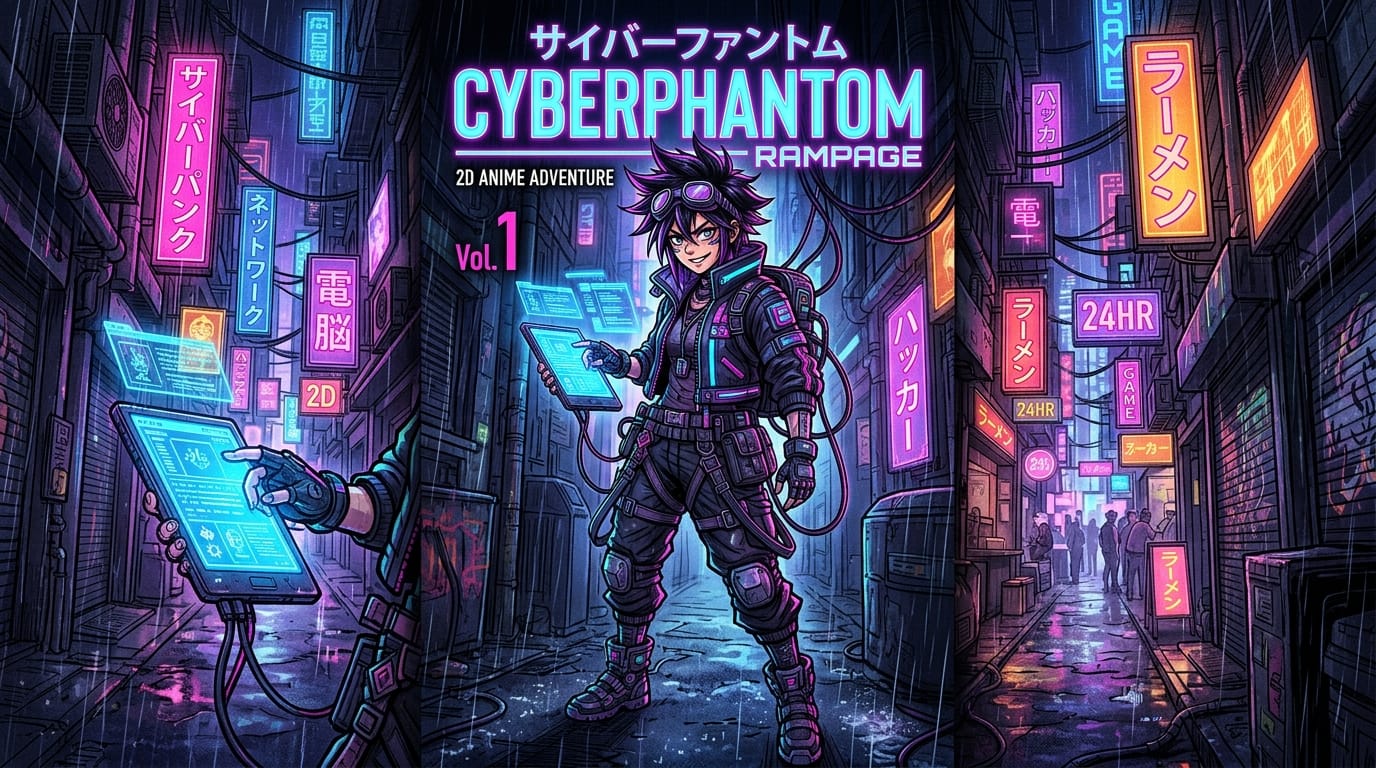
Workflow 1: Conceptualizing Colored Volume Covers Manga artists often need to pitch cover ideas to editors before committing to the final illustration. Using the Text-to-Image capability of Midjourney V6, an artist can quickly generate multiple layout and lighting concepts. They input specific character traits and desired color palettes to explore different aesthetic directions in minutes.
Example Prompt:
A dramatic manga volume cover featuring a cyberpunk hacker in a neon-lit alleyway, holding a futuristic tablet, dynamic perspective, vibrant contrasting colors, intricate techwear details, 2D anime art style
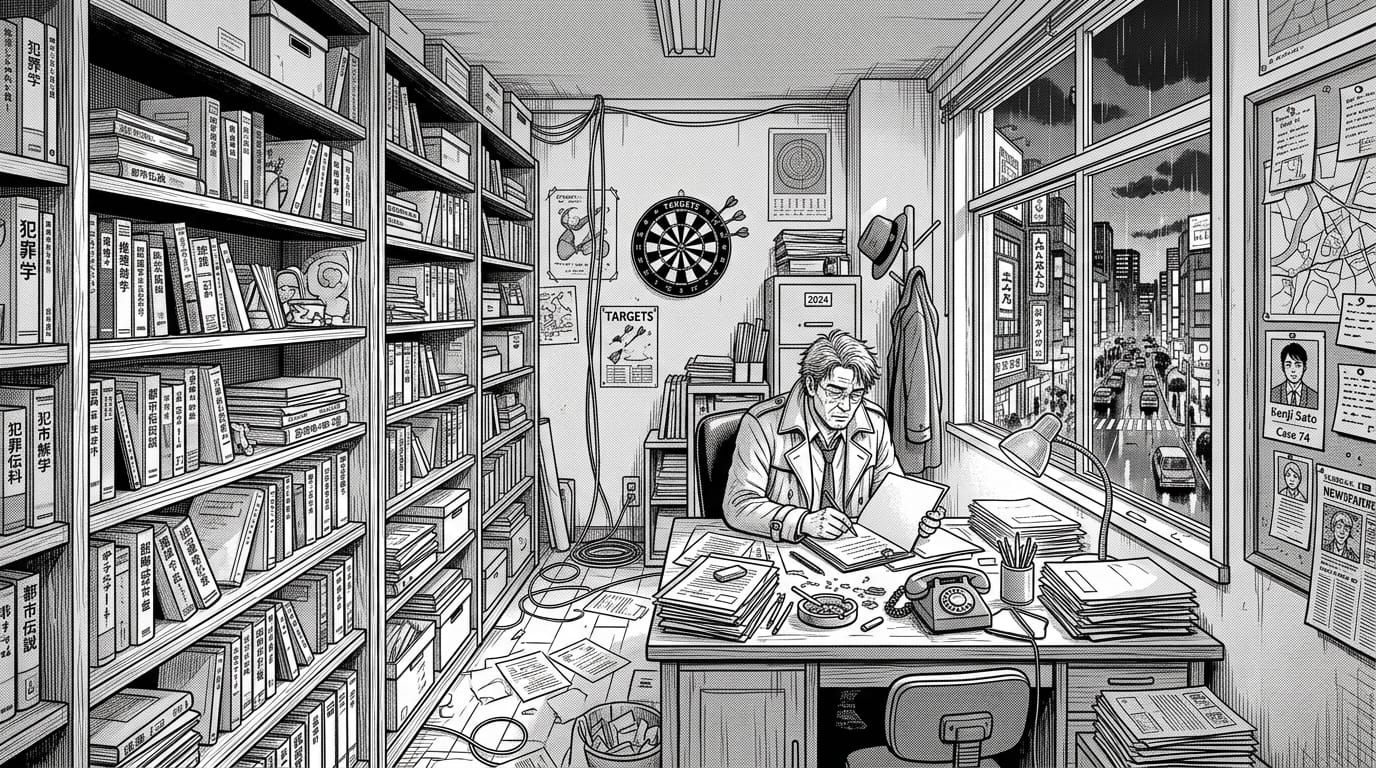
Workflow 2: Generating Complex Backgrounds from Sketches Drawing detailed backgrounds for every panel is incredibly time-consuming. Artists can upload a rough structural sketch of a room or cityscape and use the Image-to-Image feature. By prompting the model to render the sketch into a detailed black-and-white line art style, they create a solid foundation that can be traced or directly integrated into their comic pages.
Example Prompt:
Black and white manga background line art, a cluttered detective office with bookshelves and a desk by the window, highly detailed, monochrome, screentone shading, precise perspective
What a Manga Artist Should Keep in Mind When Using Midjourney V6
Midjourney V6 has a strong default bias towards photorealism and cinematic photography. A Manga artist must learn to craft specific prompts—using keywords like "cel-shaded," "manga line art," or "monochrome screentone"—to steer the model toward a 2D aesthetic. There is a learning curve to mastering these stylistic overrides effectively.
While V6 handles single images beautifully, achieving exact panel-to-panel character consistency for sequential storytelling remains a challenge. Artists will need to rely heavily on the model's character reference features or use the outputs primarily as inspiration rather than final, drop-in comic panels.
Cost control is another practical factor. Generating dozens of iterations to get the perfect pose or background consumes resources. Utilizing a platform with a flexible credit system helps manage these trial-and-error costs efficiently during the creative process.
Which Manga Artists Are Not Suited for Midjourney V6?
Artists who expect an AI to generate complete, perfectly sequential comic pages with dialogue bubbles and consistent action flow will find Midjourney V6 frustrating. The model is designed for high-quality single-image generation, not for automating the nuanced storytelling mechanics of a multi-page manga chapter.
Additionally, traditionalists who strictly prefer drawing every single line manually and do not want to incorporate digital manipulation or photobashing into their workflow will likely not benefit from this tool. For these creators, the time spent prompting and tweaking AI outputs might disrupt their natural drawing rhythm.
How to Efficiently Use Midjourney V6 on Hotgen.AI
Operating Midjourney V6 within Hotgen.AI provides a streamlined experience for Manga artists. Instead of juggling multiple subscriptions, artists can utilize the platform's unified Credit system to generate their reference materials. This allows for seamless switching between different creative tasks without leaving the workspace.
When exploring different aesthetic styles for a new manga series, artists can leverage the Model Library to discover other specialized tools. If they are unsure whether Midjourney V6 or an anime-specific model fits their current project better, they can use the Model Compare feature to evaluate outputs side-by-side.
The platform's optimized GPU clusters ensure that artists experience low-latency generation. This speed is critical when working under tight publication deadlines, allowing for rapid iteration of cover designs or background assets.
Conclusion: Is Midjourney V6 Worth Trying for a Manga Artist?
Midjourney V6 is a highly capable tool that significantly benefits Manga artists, particularly in the realms of conceptualization, background generation, and cover art design. Its advanced understanding of complex prompts and improved image coherence make it a reliable assistant for accelerating the visual development process.
While it requires some practice to master its 2D stylistic prompting and it cannot replace the sequential storytelling skills of a human artist, its strengths far outweigh its limitations. Manga artists looking to optimize their workflow and elevate their production quality should definitely explore its capabilities.
To see how this model can enhance your creative pipeline, visit the Hotgen.AI official website at https://hotgen.ai. You can explore the specific capabilities of the model at https://hotgen.ai/models/mj-image-v6 and sign in to start creating your next masterpiece at https://hotgen.ai/signin.