Is Hotgen Anime Unlimited Suitable for Generating Pixel Art Style Content?
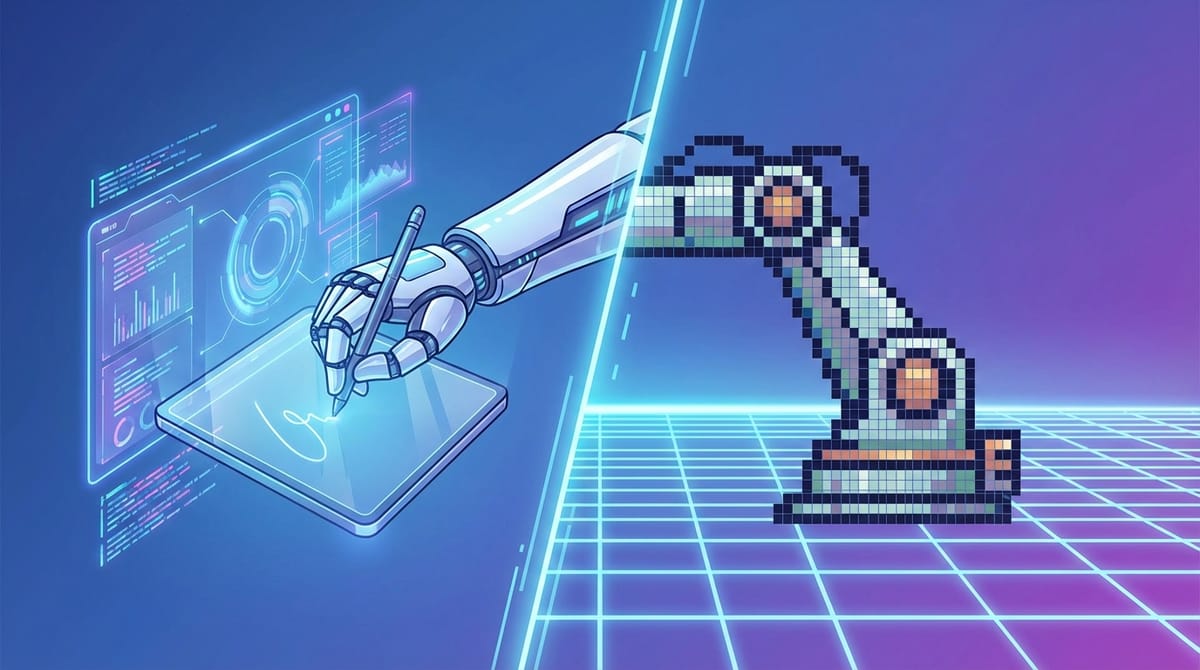
Pixel Art relies on precise grid-based visuals, limited color palettes, and a distinct retro aesthetic. While Hotgen Anime Unlimited is primarily designed as a high-freedom anime engine, its robust architecture allows for impressive flexibility when adapting to different visual formats.
Creators looking for a reliable Pixel Art ai generator will find that this model, especially when combined with community LoRAs and embeddings, can render detailed 16-bit or 32-bit anime-style pixel graphics. You can access and utilize this text-to-image model directly within the Hotgen.AI platform.
Typical Visual and Content Characteristics of the Pixel Art Style
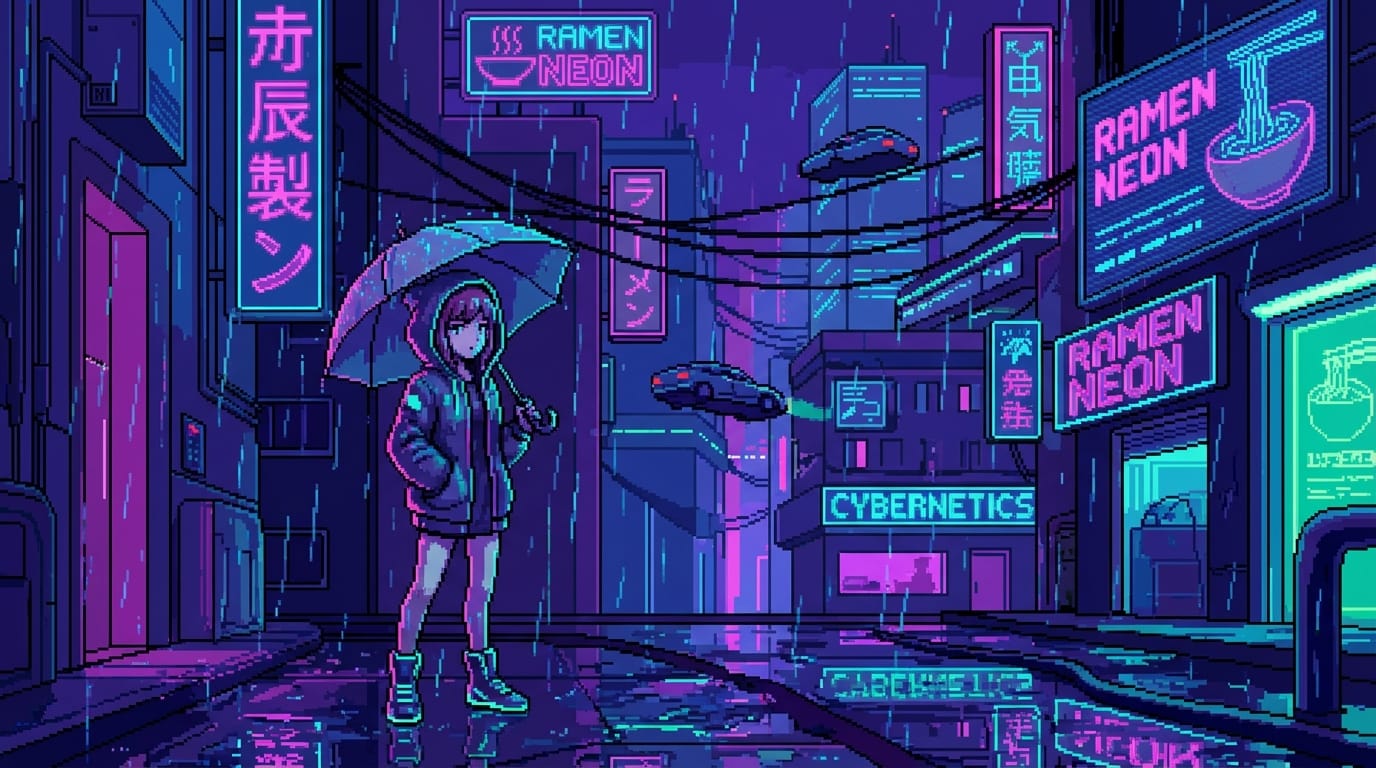
The core of the Pixel Art style lies in its deliberate use of visible pixels to construct images. This involves sharp, aliased edges rather than smooth gradients, creating a structured and nostalgic visual experience.
Color palettes are typically restricted, mirroring the technical limitations of early gaming consoles. Lighting and shading are achieved through dithering techniques, giving the artwork a distinct, textured volume without relying on modern rendering software.
Narratively, Pixel Art often evokes feelings of retro gaming, cyberpunk environments, or cozy fantasy worlds. It focuses heavily on readable silhouettes and micro-details within a confined resolution space.
Performance Analysis of Hotgen Anime Unlimited on Pixel Art Style
As a Pixel Art ai model, Hotgen Anime Unlimited requires specific prompting or external stylistic modifiers to shift from its default high-fidelity anime output. Because it natively excels at character consistency and complex compositions, these structural strengths translate well into detailed pixel scenes.
When generating Pixel Art, the model maintains excellent anatomical proportions and dynamic poses. However, achieving strict pixel-perfect aliasing usually requires the integration of pixel-focused LoRAs, which the model fully supports.
Its stability is particularly notable in multi-subject compositions. The model handles intricate background environments and multi-layered clothing without losing the structural integrity required for convincing retro art.
Typical Scenarios for Generating Pixel Art Content with Hotgen Anime Unlimited
Indie Game Development Assets: Developers can rapidly prototype character sprites, background tilesets, and conceptual art for RPGs or platformers.
Social Media and Streaming Visuals: VTubers and content creators often use retro aesthetics for stream overlays, avatars, and offline screens to build a unique personal brand.
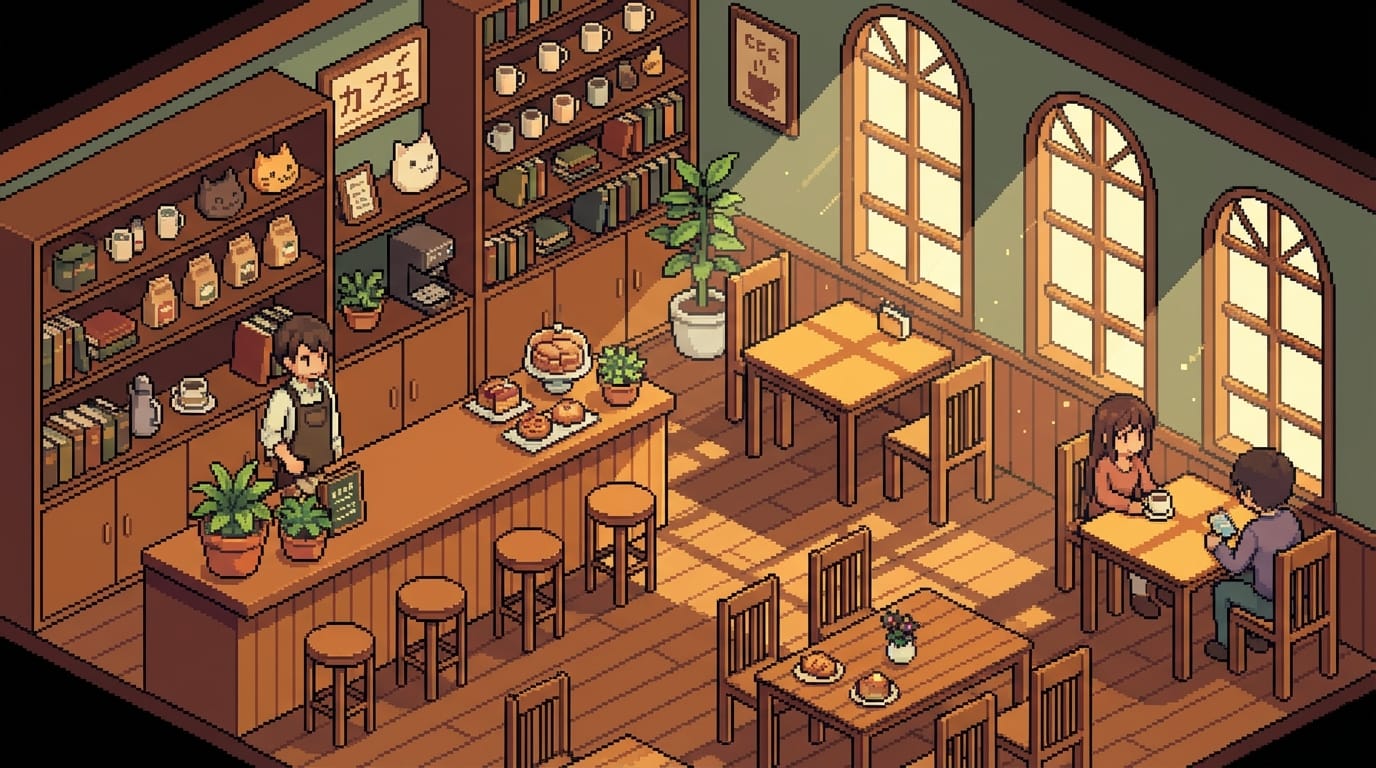
Conceptual World-Building: Illustrators can generate isometric room designs or expansive pixel landscapes to establish the mood and setting of a narrative project.
Commercial Merchandise Design: The nostalgic appeal of pixel graphics makes these generations highly suitable for apparel, posters, and stylized promotional materials.
Prompt Writing Essentials for Pixel Art Style (Based on Hotgen Anime Unlimited)
To effectively use this model as a Pixel Art ai prompt processor, your text inputs must override its natural inclination toward smooth anime shading. Start by heavily weighting structural keywords.
Focus on terms that dictate resolution and era, while explicitly detailing the subject matter and lighting conditions.
Here is a standard prompt structure for achieving this style:
Prompt Example: (pixel art:1.4), 16-bit retro aesthetic, isometric view, a cozy anime cafe interior, warm sunlight filtering through windows, highly detailed pixel background, limited color palette, sharp edges, flat shading.
Avoid using terms like "realistic," "cinematic lighting," or "highly detailed illustration," as these guide the generation process toward smooth gradients and away from the blocky aesthetic.
Common Ways to Generate Pixel Art Style with Hotgen Anime Unlimited
The most direct method is utilizing the Text-to-Image capability. By inputting carefully structured prompts alongside pixel-art LoRAs, you can generate original assets from scratch.
For creators who already have rough sketches or character designs, the Image-to-Image function is highly effective. You can upload an existing anime illustration and use a pixel art prompt to convert its style.
This workflow allows for precise control over the final output, utilizing the model's inpainting and outpainting features to ensure the character's core design remains intact while adopting the required retro aesthetic.
Which Creators Should Use Hotgen Anime Unlimited for Pixel Art Creation
Independent Illustrators and VTuber Asset Designers: The model's inherent strength in anime aesthetics makes it ideal for creators who need to produce stylized, character-focused pixel art without losing the anime identity.
Game Developers: Those needing to batch-produce conceptual art or narrative scenes will benefit from the platform's high-speed queues and the model's multi-round editing capabilities.
Commercial Branding Teams: Marketing professionals looking to inject nostalgia into their campaigns can leverage this model to quickly generate thematic visual assets.
Exploring More Pixel Art Style Creation Methods on Hotgen.AI
While Hotgen Anime Unlimited offers robust capabilities, exploring different models can yield varying stylistic results. You can browse the comprehensive Model Library to find other tools that might offer different interpretations of retro aesthetics.
To determine which AI engine best suits your specific project requirements, utilize the Model Compare feature.
This allows you to test the exact same pixel art prompt across multiple models simultaneously, providing a clear visual reference of how each handles limited color palettes and aliased edges.
Summary: Is Hotgen Anime Unlimited Right for Your Pixel Art Projects?
Hotgen Anime Unlimited proves to be a capable tool for Pixel Art generation, provided it is guided by precise prompts and appropriate stylistic embeddings. Its foundation as a high-freedom anime engine gives it a distinct advantage in character rendering and complex compositions.
While it requires more initial setup than a dedicated pixel-only model, its compatibility with community LoRAs and multi-round editing tools makes it highly versatile. Evaluate your project needs to determine if the blend of anime stylization and pixel techniques aligns with your creative vision.
To test these capabilities and experiment with your own prompts, visit Hotgen.AI. You can sign in to start creating and explore how this model fits into your visual workflow.