
Is Grok Image 2.0 Suitable for Generating Retro Memory Style Content?
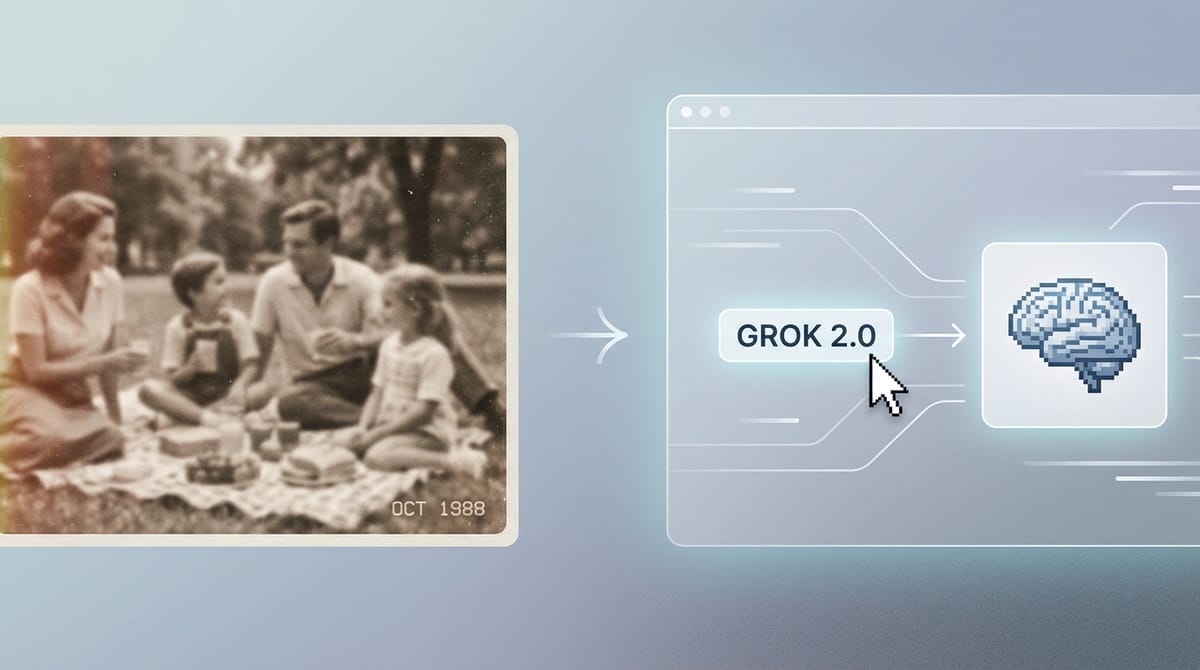
The Retro Memory style relies heavily on nostalgic visual cues, such as faded colors, film grain, and candid compositions. Capturing this specific emotional resonance requires an AI model that understands nuanced aesthetic instructions rather than just generating polished, high-definition graphics.
Grok Image 2.0, introduced by xAI, proves to be highly capable of reproducing this aesthetic. Known for its exceptional prompt adherence, complex composition understanding, and precise text rendering, it allows creators to easily generate authentic vintage visuals with accurate date stamps or retro signage.
Creators can directly access and test this model on Hotgen.AI, an all-in-one AI creative platform that aggregates top-tier global models. By utilizing a flexible credit system, users can experiment with Grok Image 2.0 alongside other leading generators without switching platforms.
Typical Visual and Content Characteristics of the Retro Memory Style
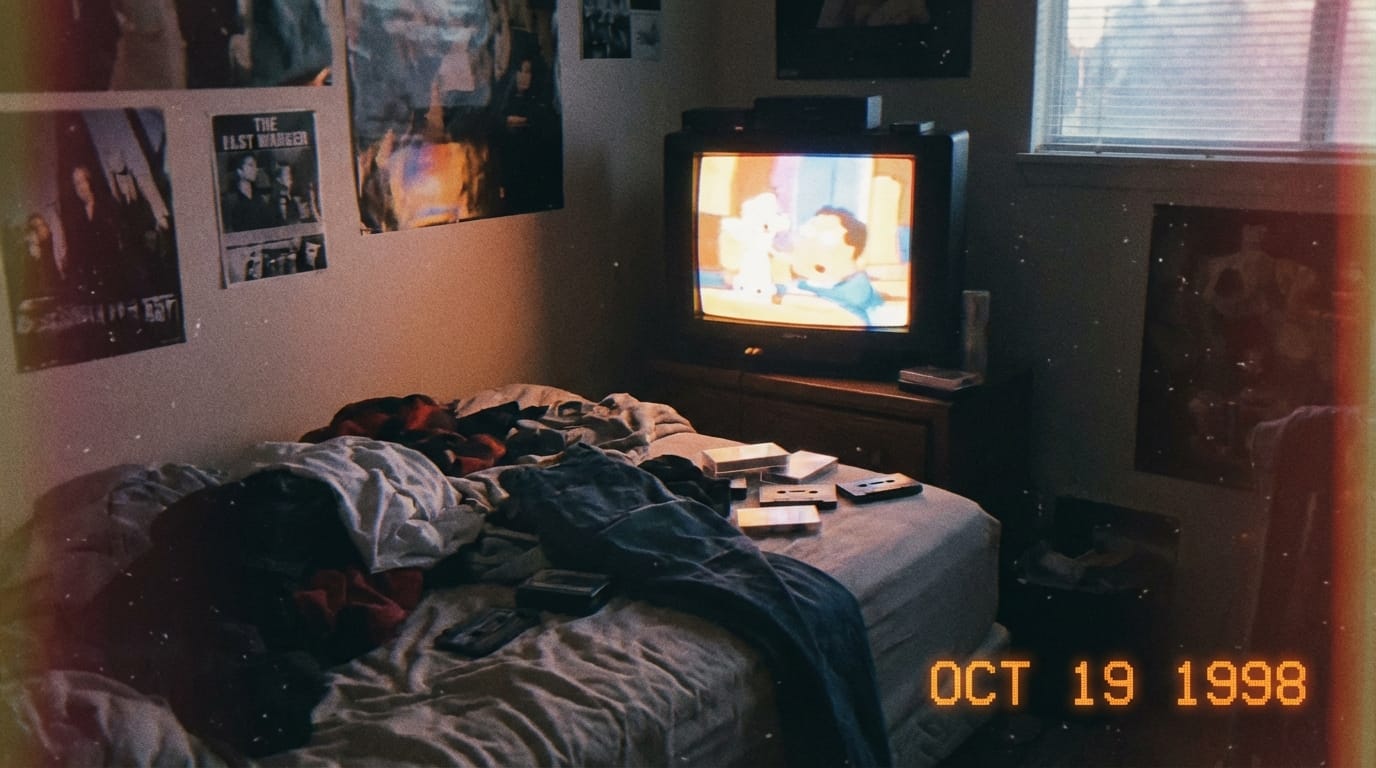
The visual foundation of the Retro Memory style mimics analog photography and early digital media. Key elements include heavy film grain, light leaks, chromatic aberration, and soft focus. Color palettes often lean towards muted sepia, washed-out pastels, or the distinct high-contrast look of a flash polaroid.
From a narrative perspective, this style emphasizes candid, everyday moments rather than staged perfection. It evokes a strong sense of nostalgia, longing, or melancholy. Subjects are often captured in messy bedrooms, dimly lit diners, or empty streets at dusk.
To achieve this look using an ai generator, the model must avoid over-polishing the output. The beauty of the Retro Memory aesthetic lies in its imperfections, requiring the AI to intentionally degrade the image quality to match historical mediums like VHS tapes or disposable cameras.
Performance Analysis of Grok Image 2.0 in the Retro Memory Style
Grok Image 2.0 brings several distinct technical advantages to vintage style generation. Its architecture, originally customized from the Flux.1 base, provides an incredibly high degree of creative freedom.
| Capability Area | Grok Image 2.0 Performance in Retro Memory Style |
|---|---|
| Style Reproduction | Excellent. The model easily adapts to "lo-fi" or "analog" prompts without forcing modern, glossy textures onto the output. |
| Text Rendering | Outstanding. It can accurately generate classic 90s camcorder timestamps, neon signs, or handwritten notes on polaroids. |
| Composition & Subjects | Highly capable of rendering complex, multi-subject scenes and messy, lived-in environments essential for nostalgic storytelling. |
| Lighting & Realism | While physical lighting might slightly trail behind some hyper-realistic models, its prompt adherence makes up for it in stylistic rendering. |
Because xAI designed the model with minimal censorship and a philosophy of maximizing creative freedom, it handles edgy, raw, or underground indie aesthetics perfectly. It rarely forces unwanted beautification filters on subjects, maintaining the authentic, unpolished vibe required for memory-driven art.
Typical Scenarios for Using Grok Image 2.0 to Generate Retro Memory Style Content
Social Media Visuals: Creators running aesthetic or mood-board accounts often need consistent vintage imagery. Grok Image 2.0 excels at generating Instagram-ready polaroid mockups and 90s-inspired lifestyle shots.
Commercial Posters and Key Visuals: Brands leaning into retro marketing can utilize the model to generate authentic-looking campaign backgrounds. The strong text rendering allows designers to integrate vintage typography directly into the base image.
Video Covers and Storyboards: For music producers or video editors working on synthwave, lo-fi hip hop, or indie projects, the model provides excellent static assets. These images can later be animated using text-to-video tools.
Character and Worldview Concept Art: Artists building retro-futuristic, cyberpunk, or alternate-history worlds benefit from the model's deep understanding of complex, multi-layered environments and period-accurate clothing.
Prompt Writing Essentials for the Retro Memory Style (Based on Grok Image 2.0)
To get the best results from this ai model, your prompts should explicitly command the AI to lower the perceived modern quality of the image. Focus on camera types, film stocks, and specific lighting flaws.
Avoid using generic terms like "beautiful" or "masterpiece," as these often trigger the model's default high-definition illustrative style. Instead, use technical analog photography terms. Grok Image 2.0 responds exceptionally well to direct, descriptive language.
Here is an effective prompt structure for Grok Image 2.0:
Prompt: A candid snapshot taken on a disposable camera, 1990s aesthetic. Two friends sitting on the hood of a classic car outside a neon-lit diner at midnight. Heavy film grain, flash photography, harsh shadows, slight motion blur, red light leak on the left edge. The text "SUMMER '97" is printed in the bottom right corner in orange digital font. Authentic, nostalgic, raw emotion.
[Image error: {"error":{"code":503,"message":"This model is currently experiencing high demand. Spikes in demand are usually temporary. Please try again later.","status":"UNAVAILABLE"}}]
Common Methods for Generating Retro Memory Style with Grok Image 2.0
The most straightforward approach is using the Text-to-Image function. By inputting detailed prompts regarding film types and emotional atmosphere, creators can generate high-resolution vintage scenes from scratch. The model's low latency ensures rapid iteration until the perfect composition is found.
For creators who already have a base image—such as a modern photograph or a rough sketch—the Image-to-Image feature is highly effective. You can upload a modern digital photo and use Grok Image 2.0 to apply a strict Retro Memory style transfer, adding grain, color grading, and vintage elements while preserving the original subject.
If your goal is to bring these nostalgic moments to life, you can take the static images generated by Grok and process them through Image-to-Video models available on the platform, adding subtle motion to light leaks or CRT screen flickering.
Which Creators Are Best Suited to Use Grok Image 2.0 for Retro Memory Style Creation?
Individual content creators, such as indie musicians, vloggers, and digital artists, will find Grok Image 2.0 highly accommodating. Its high tolerance for diverse and edgy artistic expressions allows for the creation of raw, unfiltered visual narratives that resonate with niche audiences.
Commercial users and creative agencies will appreciate the model's prompt stability and precise text generation. When designing retro-themed marketing materials, the ability to consistently generate specific vintage textures and accurate embedded text drastically reduces post-production time in Photoshop.
Explore More Retro Memory Style Creation Methods on Hotgen.AI
While Grok Image 2.0 is a powerful tool for vintage aesthetics, different projects may require different visual nuances. Hotgen.AI provides a comprehensive Model Library where users can discover other leading models that might offer varying interpretations of the cinematic or realistic retro look.
To ensure you are using the best tool for your specific visual needs, you can utilize the Model Compare feature. This allows you to run the exact same Retro Memory prompt across Grok Image 2.0, Midjourney V7, or Flux simultaneously, evaluating which model delivers the precise emotional tone and grain structure you desire.
Conclusion: Is Grok Image 2.0 Suitable for Retro Memory Style Creation?
Grok Image 2.0 is highly effective for Retro Memory style creation. Its exceptional ability to follow complex prompts, render accurate text, and embrace unpolished, raw aesthetics makes it a top choice for generating nostalgic and vintage imagery.
While it may not prioritize hyper-realistic physical lighting over creative freedom, this characteristic actually works in its favor for analog styles, where technical imperfections are part of the charm. The model provides a reliable, highly controllable environment for visual storytelling.
To test Grok Image 2.0 and explore its capabilities alongside other global AI models, visit Hotgen.AI. You can sign in to start creating and determine which model best fits your creative workflow.