H1. Is Nova Retro Anime Suitable for an Illustrator?
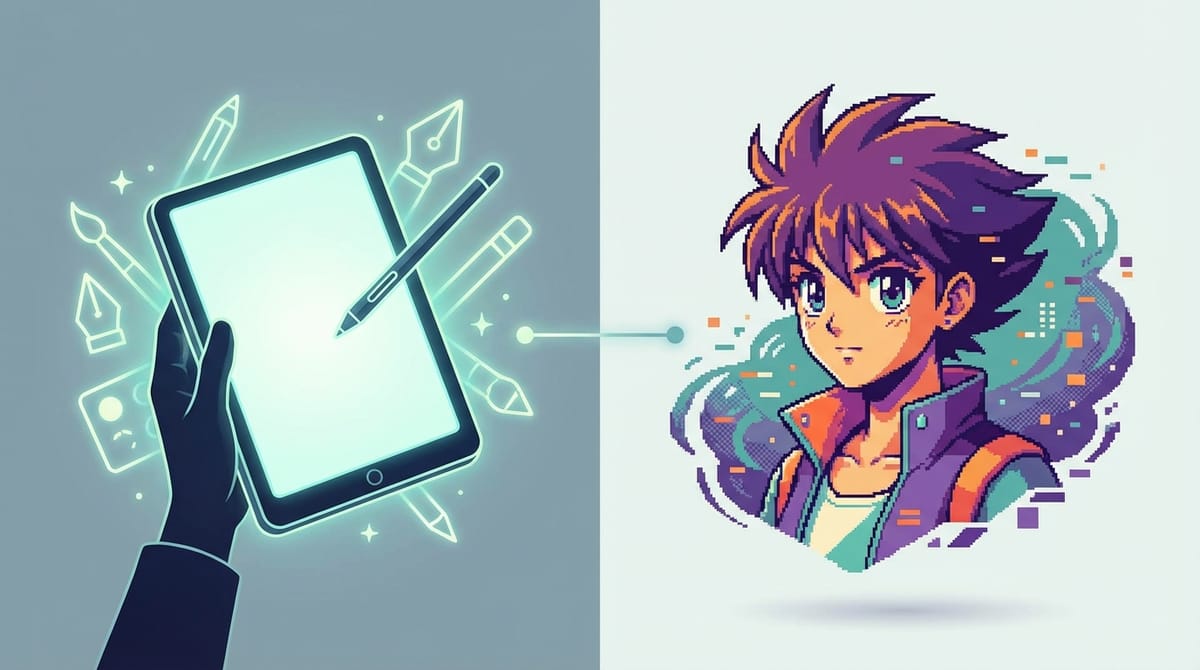
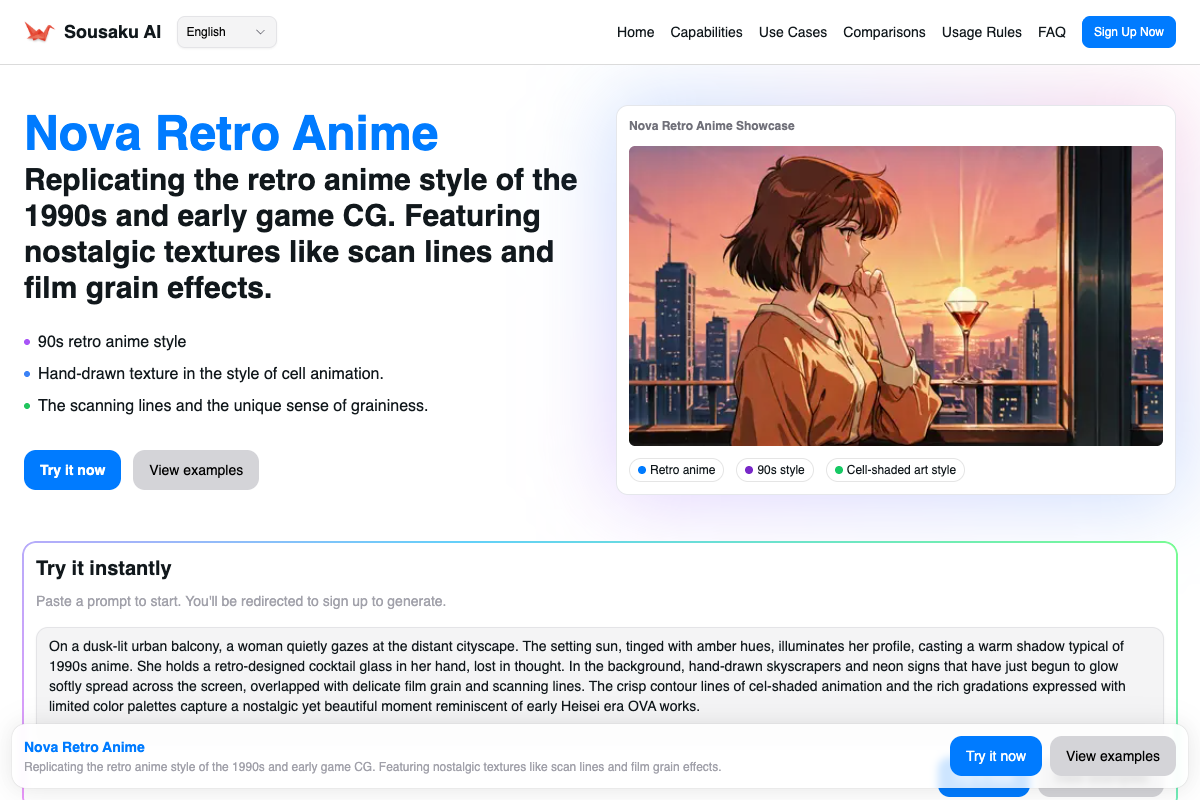
For professional illustrators, the decision to integrate an AI model into a workflow depends heavily on style alignment and asset utility. Nova Retro Anime is a specialized Text-to-Image model designed to replicate the distinct aesthetic of Japanese animation from the 1990s and early 2000s. It captures the essence of the cel-shaded era, complete with warm color palettes, scanlines, and the film grain typical of classic OVAs and early gaming CG.
If your work involves creating lo-fi visuals, nostalgic character designs, or "vaporwave" aesthetic content, this model is highly adapted to your needs. It reduces the time required to manually replicate vintage artifacts and coloring styles. You can access and test this specific model directly through the Hotgen.AI platform, which aggregates top-tier creative tools into a single interface.
H2. Typical Creative Needs of an Illustrator
Illustrators generally operate with a focus on visual storytelling, consistency, and efficient asset generation. Whether working freelance or in-house, the core demands usually include:
- Concept Iteration: Rapidly visualizing characters or environments before committing to a final render.
- Style Consistency: Maintaining a cohesive look across a series of images, particularly for comics, game assets, or branding.
- Texture and Atmosphere: Establishing a specific mood—such as the "golden hour" lighting of 90s anime—without spending hours on post-processing effects.
- Reference Generation: Creating unique mood boards that go beyond generic stock photography.
H2. How Nova Retro Anime Meets Illustrator Needs
Nova Retro Anime is not a general-purpose model; it is a stylistic specialist. Here is how it addresses specific challenges for illustrators:
1. Automating the "Retro" Post-Processing Achieving an authentic 90s anime look usually requires significant manual work in software like Photoshop—adding noise, adjusting curves for that "faded" look, and simulating chromatic aberration. Nova Retro Anime bakes these effects directly into the generation process. The model understands prompts related to "VHS quality," "scanlines," and "cel shading," delivering immediate results that feel pulled from a CRT monitor.
2. Authentic Color Grading Modern digital art often looks too clean or vibrant. This model excels at the limited color ramps and warm, slightly desaturated tones characteristic of the Showa and Heisei eras. For illustrators working on City Pop album covers or retro-game assets, this ensures the output matches the target genre immediately.
3. Strong Line Weight and Composition Unlike some models that produce wispy or overly detailed digital painting styles, Nova Retro Anime focuses on the bolder, confident line work seen in classic mecha or magical girl anime. It simulates the physical cel production look, where characters are distinct from the painted backgrounds.
Example Prompt for Style Verification:
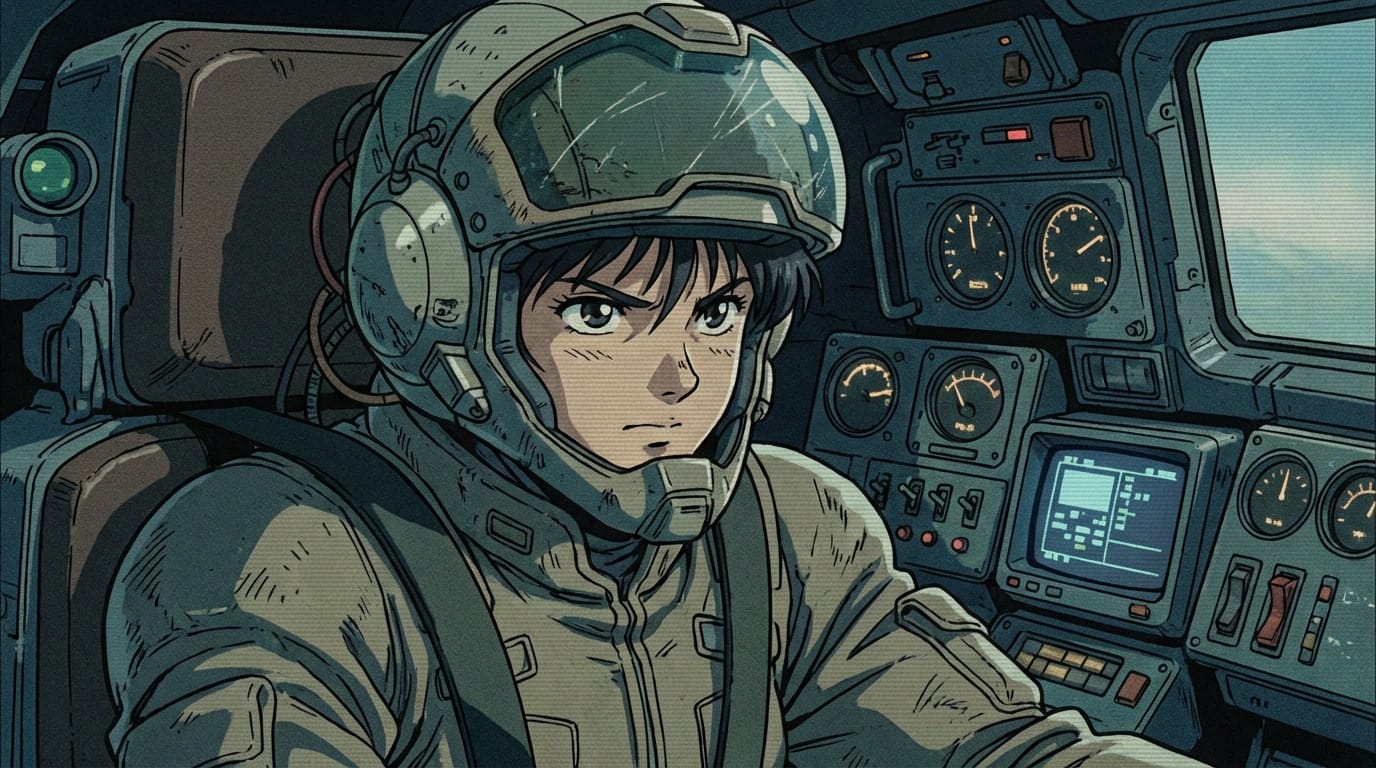
1990s anime screenshot, close up of a female mecha pilot in a cockpit, retro art style, cel shading, muted colors, film grain, high contrast, ova style, detailed helmet.
H2. Common Use Cases for Illustrators Using Nova Retro Anime
For an illustrator, this model serves as a powerful engine for specific project types. Below are practical workflows using Text-to-Image capabilities.
1. Creating Lo-Fi / Synthwave Music Visuals
The "study girl" aesthetic is a massive niche in illustration. Nova Retro Anime is perfectly tuned to generate looped background assets for music videos or streams that require a cozy, nostalgic atmosphere.
Example Prompt:
1990s anime style, lo-fi hip hop aesthetic, a girl studying at a messy desk at night, rain on window, city lights in background, crt monitor glow, retro computer, VHS tape effect, muted tones.
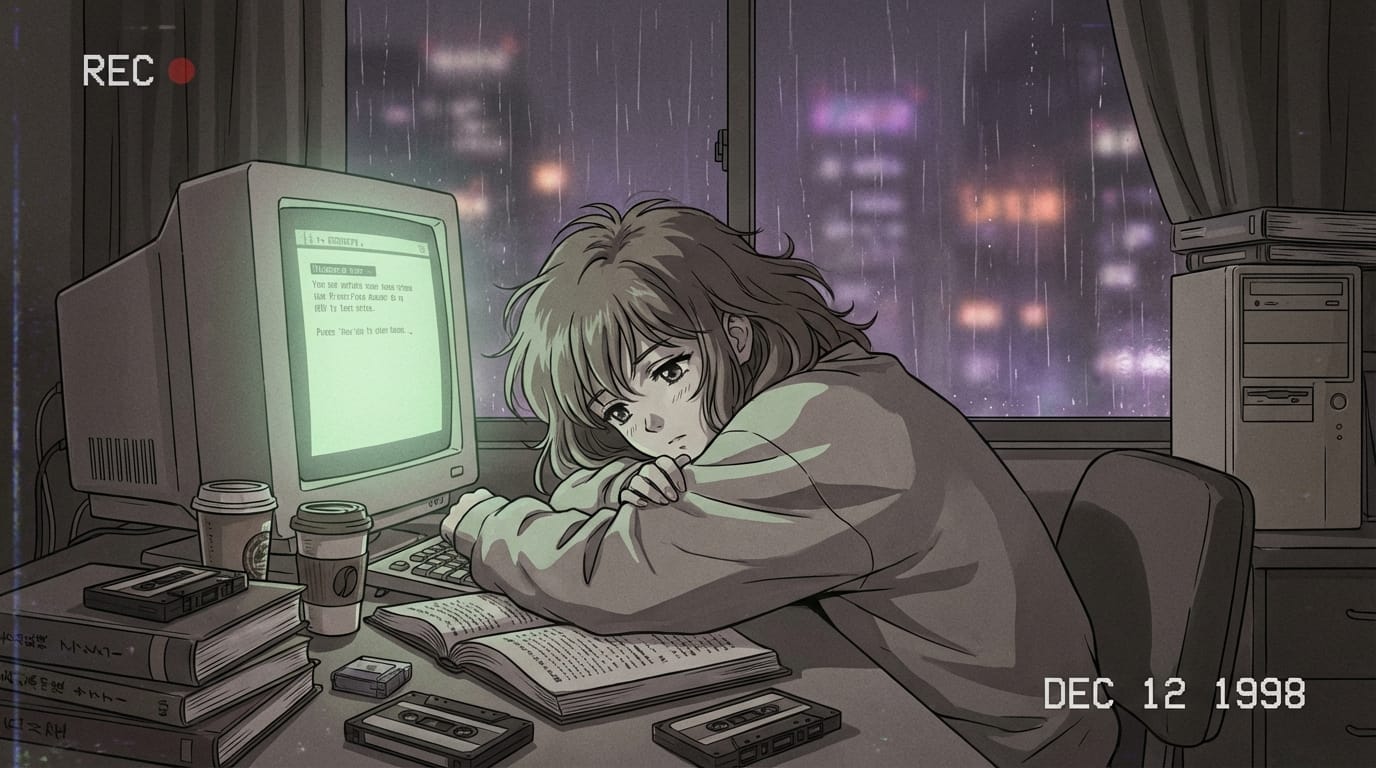
Start creating this style: Text-to-Image with Nova Retro Anime
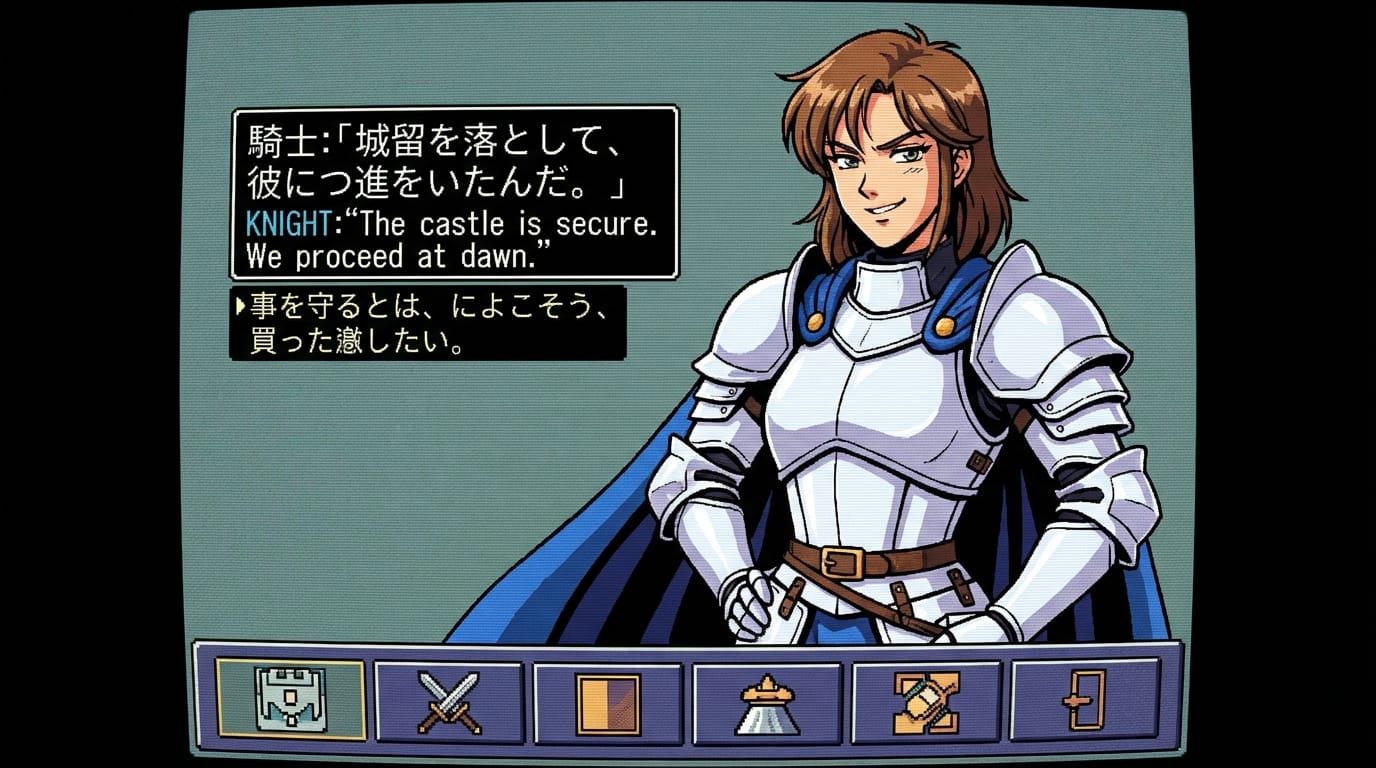
2. Visual Novel & RPG Character Sprites
Indie game developers and illustrators often need to replicate the look of PC-98 or early PlayStation era visual novels. This model captures the specific facial proportions and shading techniques of that period, making it ideal for generating character portraits or "CG event" scenes.
Example Prompt:
retro anime visual novel sprite, fantasy female knight, waist up, white armor, confident expression, 90s rpg style, flat color background, cel shaded, sharp lines, dvd screencap quality.
3. Concept Art for "Lost Media" Horror
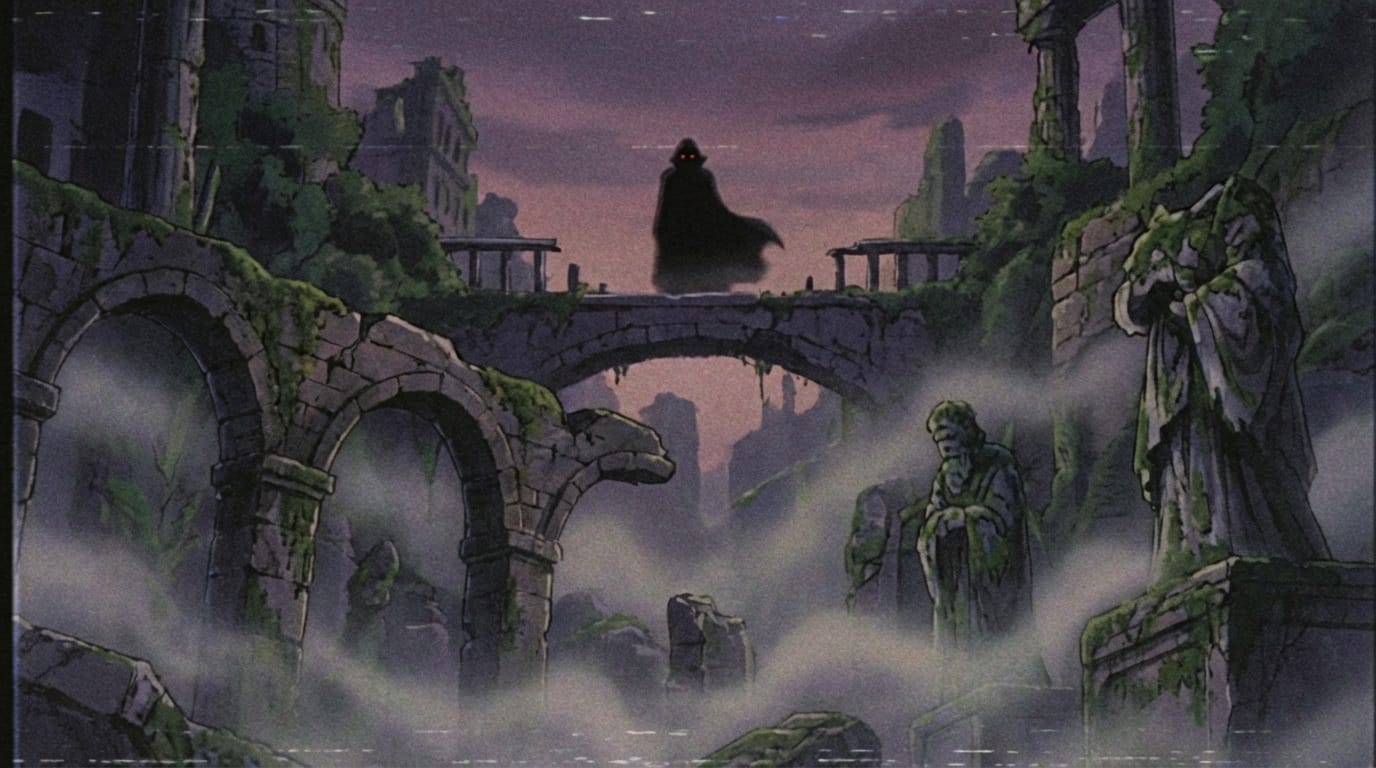
There is a growing trend in "analog horror" or "creepypasta" illustration that relies on the uncanny valley of old animation. Nova Retro Anime handles "fake screenshots" of non-existent shows exceptionally well, providing a base for horror illustrators to paint over.
Example Prompt:
1980s dark fantasy anime screenshot, mysterious ancient ruins, fog, creepy atmosphere, grainy footage, low resolution, tv static, faded colors, ominous shadow figure.
H2. Considerations for Illustrators Using Nova Retro Anime
While powerful, this model has specific constraints that professionals should recognize:
- Resolution and Clarity: The model intentionally introduces "low quality" artifacts like grain and blur to simulate age. If your project requires 4K, ultra-clean vectors, this model will fight against you. You may need to use upscaling tools cautiously to preserve the retro aesthetic without destroying the grain.
- Style Lock: It is difficult to force this model to produce modern, glossy, or 3D-render styles. It is heavily biased towards 2D cel animation.
- Text Rendering: Like most image generation models, it does not handle in-image text (like subtitles or signs) perfectly, though the aesthetic of the "garbled text" often fits the retro vibe.
H2. Which Illustrators Are NOT Suitable for Nova Retro Anime
To save your credits and time, avoid this model if you fall into these categories:
- Vector & Corporate Art Styles: If you need flat, scalable, modern minimalist illustrations (e.g., "Corporate Memphis"), Nova Retro Anime's inherent noise and shading will be counterproductive.
- Photorealism: Artists looking for photorealistic stock image replacements or 3D render looks (like Unreal Engine 5 styles) should opt for models like Flux or Midjourney V6, which are also available on Hotgen.AI.
H2. How to Use Nova Retro Anime Efficiently on Hotgen.AI
Hotgen.AI aggregates various high-performance models, allowing illustrators to integrate Nova Retro Anime into a broader workflow without managing separate subscriptions.
- Model Comparison: If you are unsure if the retro look fits your client's brief, use the Model Compare feature. You can run the same prompt through Nova Retro Anime and a modern anime model (like Niji) side-by-side to present options to your client.
- Unified Credits: Instead of subscribing to a specific service just for retro images, use your shared credits. This is cost-effective for illustrators who only need vintage styles occasionally.
- Explore the Library: Access the full Model Library to find complementary tools, such as upscalers or variation tools, to refine the raw output from Nova Retro Anime.
H2. Summary: Is Nova Retro Anime Worth a Try for Illustrators?
For illustrators targeting the nostalgia market, Nova Retro Anime is an excellent tool. It successfully captures the nuance of 90s production techniques—from color grading to line weight—that are time-consuming to replicate digitally. It is less of a general-purpose drawing tool and more of a specialized "time machine" for your art.
If your portfolio includes retro-gaming assets, lo-fi aesthetics, or classic anime tributes, this model is a high-value addition to your toolkit.
Action
Ready to experiment with the 90s aesthetic?
- Visit the Platform: Hotgen.AI
- Try the Model: Nova Retro Anime Model Page
- Start Creating: Sign In to Hotgen.AI