Complete Guide to Creating Zine Content with Vidu Q2
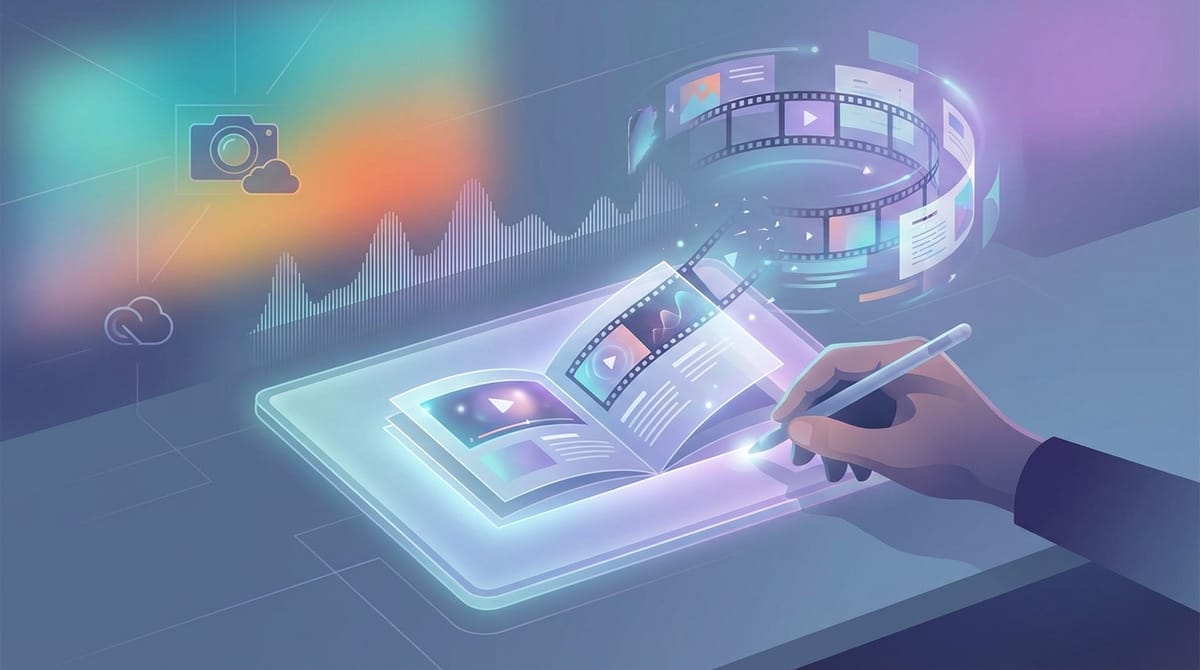
The evolution of independent publishing has moved beyond static paper into the realm of digital motion. For creators looking to produce "Motion Zines"—digital publications that incorporate movement, atmosphere, and cinematic depth—choosing the right generative video model is critical.
Vidu Q2, available on the Hotgen.AI platform, offers a robust solution for this specific niche. It allows creators to transform static zine concepts into dynamic video content, adding a layer of immersion that traditional PDFs cannot match. This guide explores how to leverage the specific capabilities of Vidu Q2 to create compelling, aesthetic-driven Zine content.
- Model Name: Vidu Q2
- Model Type: Text-to-Video, Image-to-Video, Reference Image-to-Video
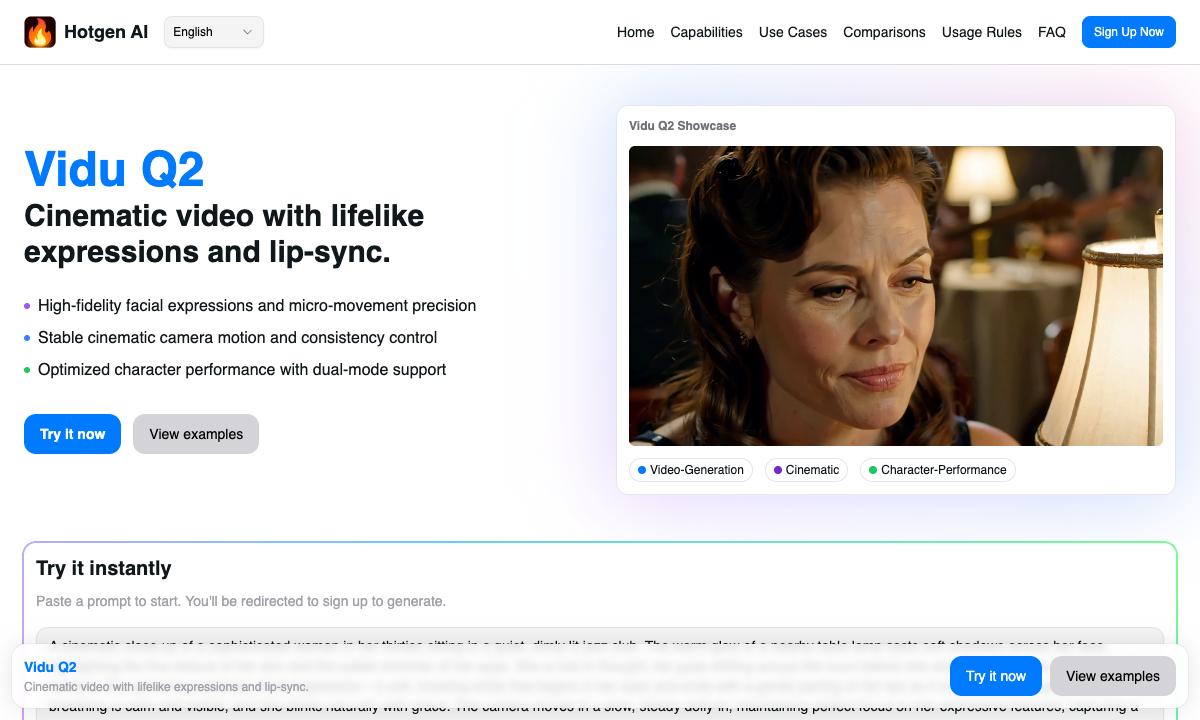
- Description: Vidu Q2 is a next-generation core model released in the second half of 2025. It significantly improves expression fidelity, subtle movements (blinking, gaze, lip-sync), camera stability, and cinematic feel. Supporting Turbo and Pro modes, it leads internationally in character performance, naturalness, and consistency.
- Model Usage URL: https://sousaku.ai/create/text2video/vidu-video-viduq2
- Landing Page URL: https://sousaku.ai/models/vidu-video-viduq2
Landing Page Screenshot:
Core Creative Essentials for Zine Content
Zines (short for magazines) are traditionally defined by their independent, DIY ethos and distinct visual language. In a digital context, creating Zine content requires a shift in thinking from purely static layouts to "moving textures."
The primary goal is to evoke a specific mood or subculture. Successful digital zines often feature collage-style aesthetics, mixed media textures (like paper grain or tape), and highly stylized portraiture. The narrative is usually fragmented or poetic rather than linear. When adding motion, the movement should enhance the atmosphere—subtle shifts in lighting, slow camera pans over a collage, or a subject breaking the fourth wall with a realistic gaze—without disrupting the artistic integrity of the visual style.
Advantages and Limitations of Vidu Q2 for Zine Creation
Based on the technical specifications of Vidu Q2, creators should understand where this model excels and where manual adjustments may be necessary.
Advantages:
- Expression Fidelity: Zines often rely on powerful portraits to convey emotion. Vidu Q2 excels at subtle facial movements like blinking and gaze shifts, making "living portraits" highly effective.
- Camera Stability: Digital zines require a steady look to mimic the deliberate framing of photography. The enhanced camera stability ensures that pans and zooms do not warp the artistic textures or background elements.
- Cinematic Feel: The model naturally applies a filmic quality, which aligns well with the "lo-fi" or "analog horror" aesthetics often found in modern zines.
Limitations:
- Text Rendering: While Vidu Q2 handles visual motion well, generating specific, legible typography within the video (a staple of zine covers) can be inconsistent. It is often better to generate the visual background video first and overlay typography using graphic design software later.
- Complex Multi-Character Interaction: While character performance is high, scenes with multiple characters interacting in a complex collage style may require the Image-to-Video function to ensure the composition remains coherent.
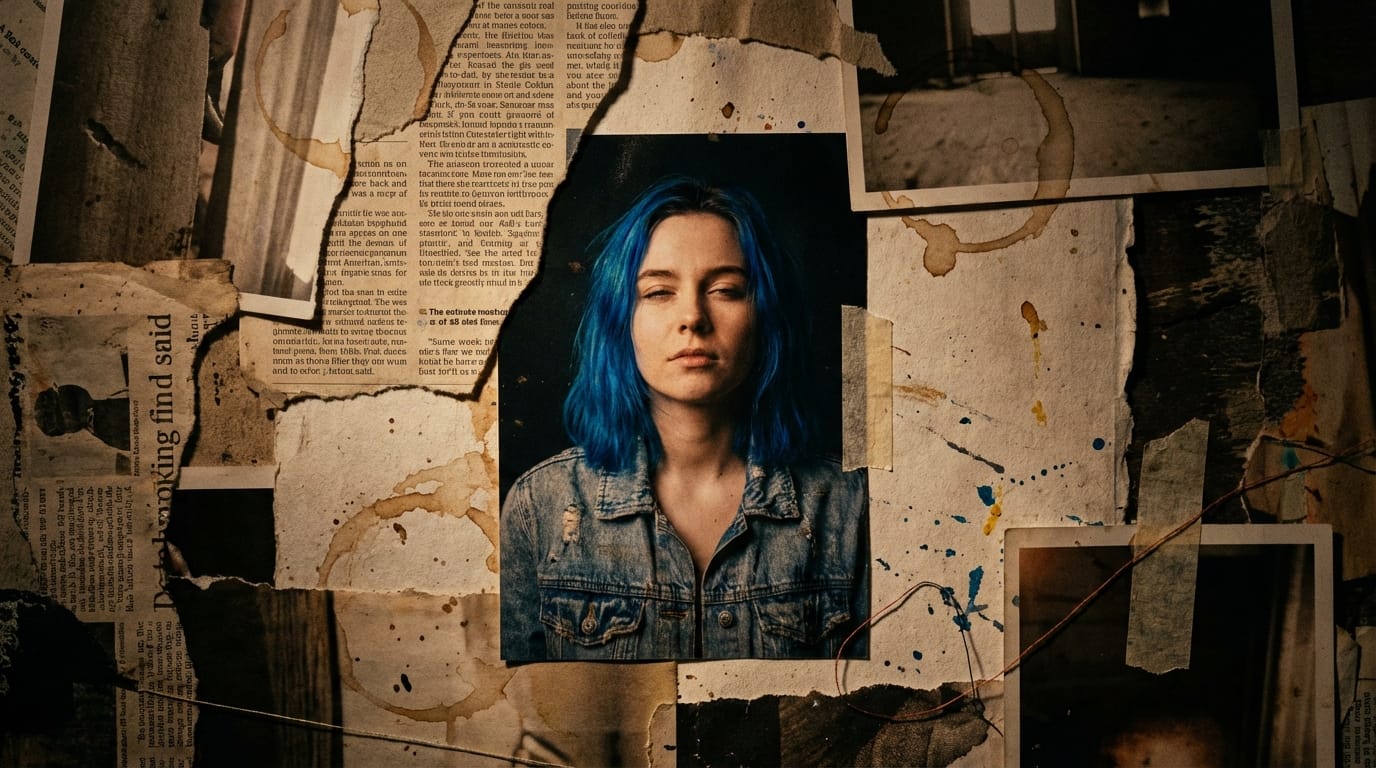
Universal Zine Prompt Templates (for Vidu Q2)
The following prompts are designed to be used directly in Vidu Q2's Text-to-Video interface. They focus on texture, atmosphere, and character presence, which are central to Zine aesthetics.
Template 1: The Atmospheric Portrait (Focus on Expression)
A cinematic close-up of a young artist in a dimly lit studio, heavy film grain, 16mm film aesthetic, the subject looks directly into the lens with a melancholic expression, subtle eye blinking and slight head tilt, soft volumetric lighting from a window, high fidelity textures
Template 2: The Abstract Texture Motion (Focus on Mood)
Abstract macro shot of peeling paint and vintage floral wallpaper, slow camera pan to the right, dust particles floating in a beam of light, nostalgic and dreamlike atmosphere, high definition textures, steady camera movement
Template 3: The Urban Grunge Setting (Focus on Environment)
A rainy street corner at night with neon reflection on wet pavement, cyberpunk aesthetic, steam rising from a vent, cinematic depth of field, slow motion capture, realistic lighting and environmental details, moody and dark tone
High-Quality Prompt Examples for Zine Creation
To achieve the best results, it is helpful to use specific workflows depending on whether you are starting from scratch or animating an existing image.
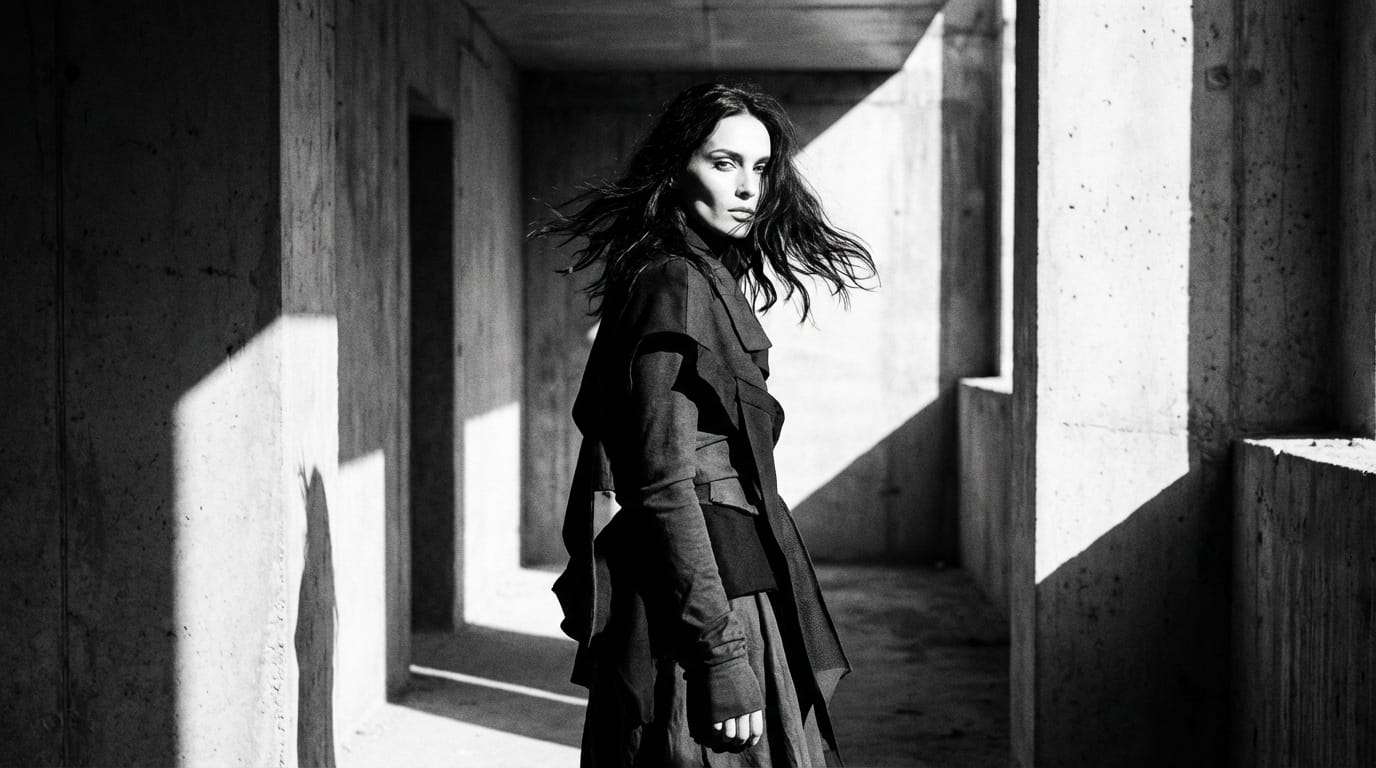
1. Creating a "Living Cover" (Text-to-Video)
This approach is ideal for creating the opening visual of a digital zine issue. The goal is to establish the theme immediately through high-quality character performance.
Example Prompt:
A stylish fashion model wearing avant-garde clothing standing in a brutalist concrete hallway, harsh shadows, high contrast black and white photography style, the model slowly turns her head to face the camera, wind blowing through hair, highly detailed facial features, photorealistic 8k resolution
- Create this content: https://hotgen.ai/create/text2video/vidu-video-viduq2
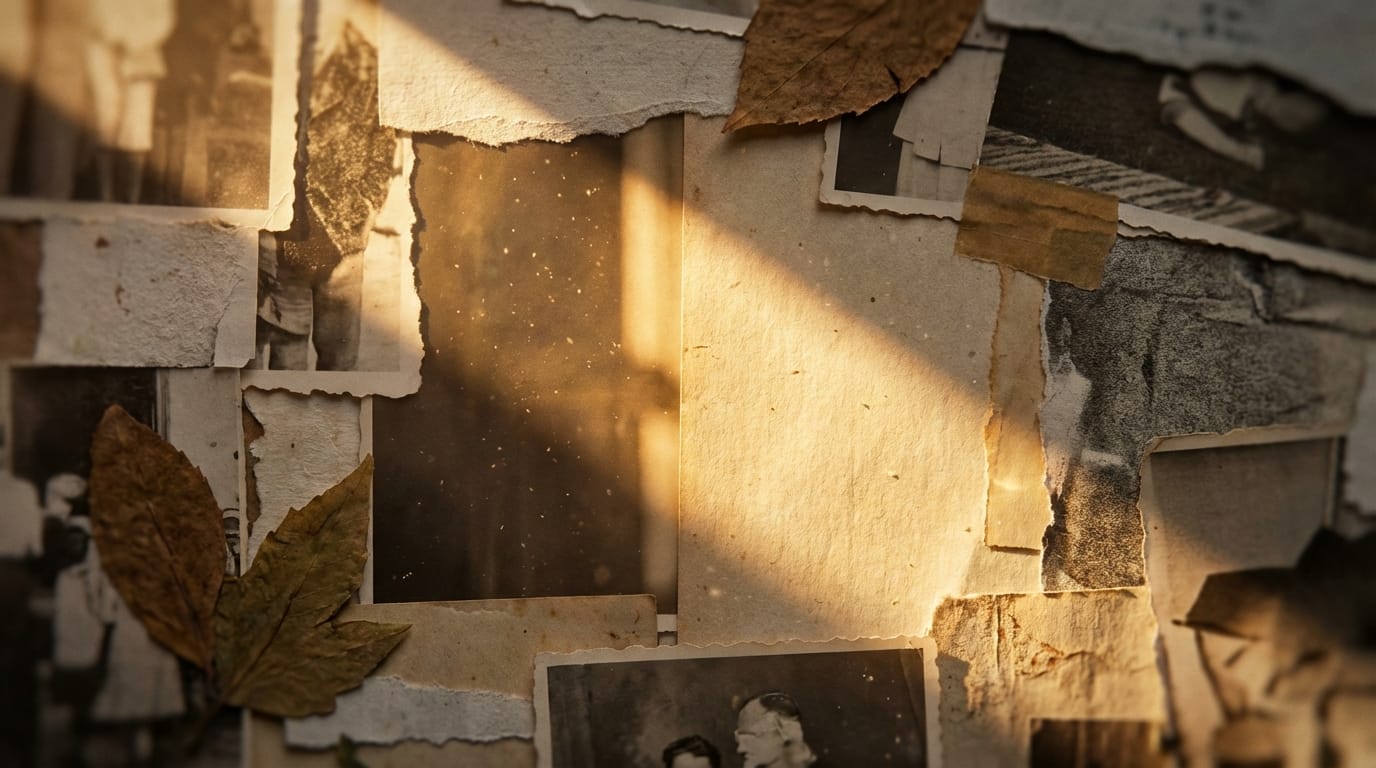
2. Animating a Collage Page (Image-to-Video)
If you have already designed a static collage and want to bring it to life, Vidu Q2's Image-to-Video capability preserves the composition while adding depth.
Example Prompt:
A slow camera zoom into the center of the image, the paper textures remain static while the lighting shifts dynamically across the scene, dust motes dancing in the light, maintaining the original collage art style, cinematic movement
- Create this content: https://hotgen.ai/create/image2video/vidu-video-viduq2
Testing and Optimizing Zine Content on Hotgen.AI
Optimizing your workflow involves understanding how to iterate on your initial results. Since Zines are often experimental, utilizing the "Reference Image" feature in Vidu Q2 can help maintain a consistent artistic style across different pages or clips.
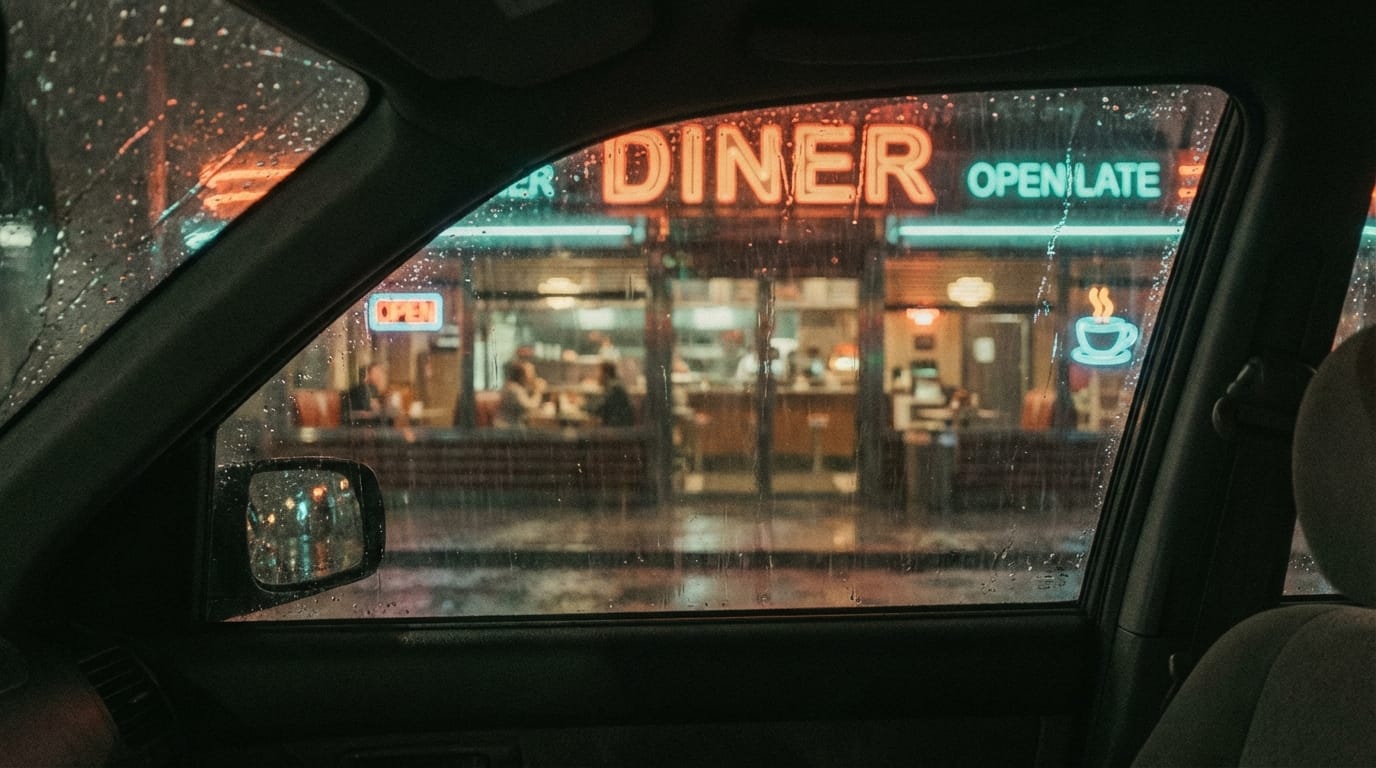
1. Style Transfer for Consistency
When creating a series of clips for a single Zine issue, upload a reference image that defines your color palette and texture.
Example Prompt:
A retro diner interior seen through a rainy window, neon lights flickering, consistent with the reference image color palette, melancholic mood, cinematic 35mm film look, steady camera holding the shot
- Create this content: https://hotgen.ai/create/image2video/vidu-video-viduq2
2. Focusing on Micro-Movements
For Zines that rely on minimalism, focus the prompt on very small details rather than large actions. This utilizes Vidu Q2's strength in "subtle movements."
Example Prompt:
Extreme close-up of a human eye, the iris contracts slightly in response to light, high fidelity skin texture, realistic eyelashes, sharp focus, cinematic lighting, very subtle movement
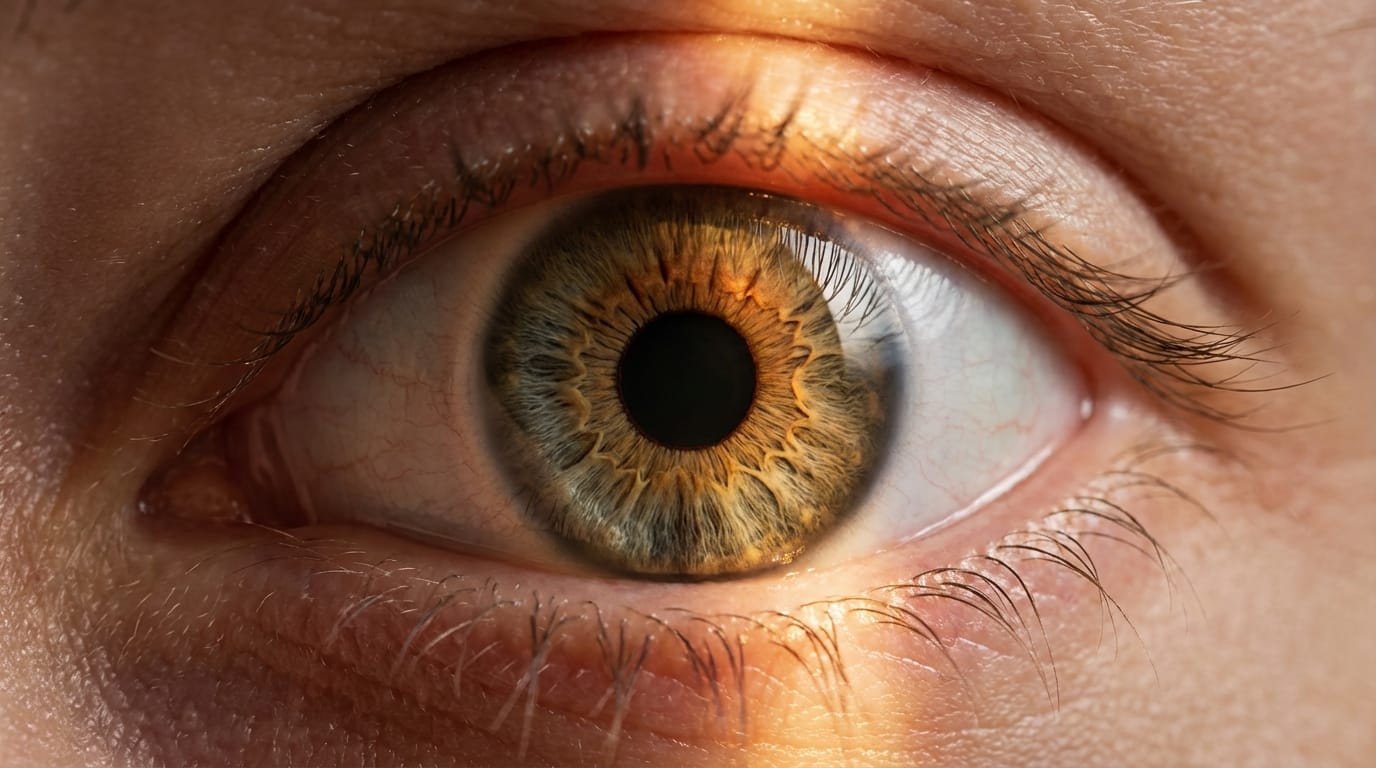
- Create this content: https://hotgen.ai/create/text2video/vidu-video-viduq2
Summary: Efficiently Using Vidu Q2 for Zines
Creating Zine content with Vidu Q2 requires balancing the raw, independent spirit of traditional zines with the polished capabilities of AI video generation. The key lies in utilizing the model's strengths—specifically its ability to handle subtle facial expressions and maintain camera stability—to create "moving stills" rather than frantic action sequences.
Creators should prioritize aesthetic consistency and atmosphere. While the model delivers high-fidelity visuals, the "soul" of a Zine comes from the curation of these visuals into a cohesive narrative. Always ensure that the content produced aligns with safety guidelines and platform rules, focusing on artistic expression and storytelling.
Start Creating
Ready to transform your static concepts into motion?
- Visit Hotgen.AI: https://hotgen.ai
- Explore Vidu Q2: https://hotgen.ai/signin